
Custom Large-Scale Oxygen Generation Systems For Medical And Industrial Centralized Oxygen Supply
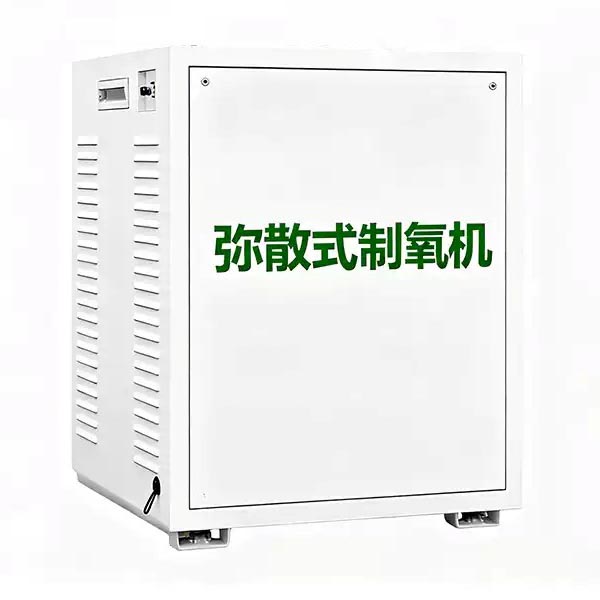
Custom Large-scale Oxygen Generation Systems produce high‑purity oxygen on‑site by extracting it directly from ambient air through pressure swing adsorption (PSA) or vacuum pressure swing adsorption (VPSA) technology. Compressed air passes through molecular sieve beds that selectively trap nitrogen, yielding a continuous supply of oxygen with a purity level typically between 90% and 96%. Unlike cylinder‑delivered or liquid oxygen, a centralised generation system eliminates recurring logistics costs, reduces the carbon footprint associated with transport, and ensures a stable, independent oxygen source that can be scaled to match the demands of an entire building or campus.
The core benefit of a custom‑engineered system lies in its adaptability. Every installation is designed around the specific spatial layout, occupancy load, and target oxygen concentration required by the facility, resulting in a solution that integrates seamlessly with existing HVAC and architectural elements while maintaining high energy efficiency and fully automated operation.
Design Parameters and Technical Specifications
Each system is configured based on a detailed site assessment that evaluates:
- Area and Volume: The total square footage and ceiling height of the spaces to be supplied, which determine the required oxygen flow rate and distribution network sizing.
- Occupant Density: The expected number of users per zone at peak hours, influencing both the peak oxygen demand and the necessary redundancy levels.
- Target Oxygen Concentration: The ambient oxygen percentage desired in each room—typically 21–25% for wellness applications—ensuring compliance with NFPA 99 fire safety limits.
- Pressure and Flow Requirements: Whether the oxygen is delivered at ambient pressure for room enrichment or at higher pressure to feed sealed chambers.
- Control Integration: Compatibility with building management systems (BMS) for centralised monitoring, automatic oxygen level adjustment, and energy optimisation.
The generator unit itself consists of an air compressor, air dryer, filtration train, PSA or VPSA modules, buffer tanks, and a distribution manifold. High‑efficiency motors and heat recovery options can be specified to minimise electrical consumption, while redundant compressor banks and automated switchover ensure uninterrupted operation.
Integration with Wellness Facilities
In a multi‑room wellness environment, a single large‑scale oxygen system can serve several distinct applications simultaneously:
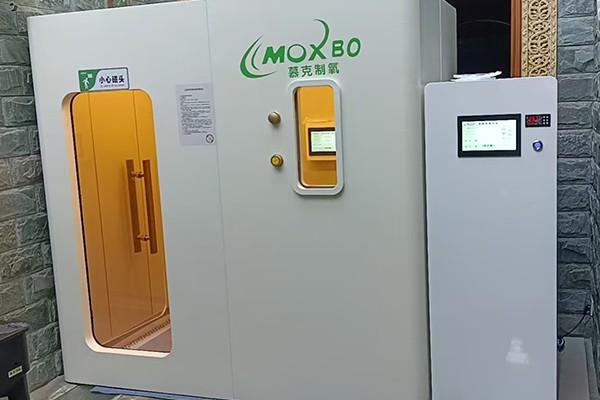
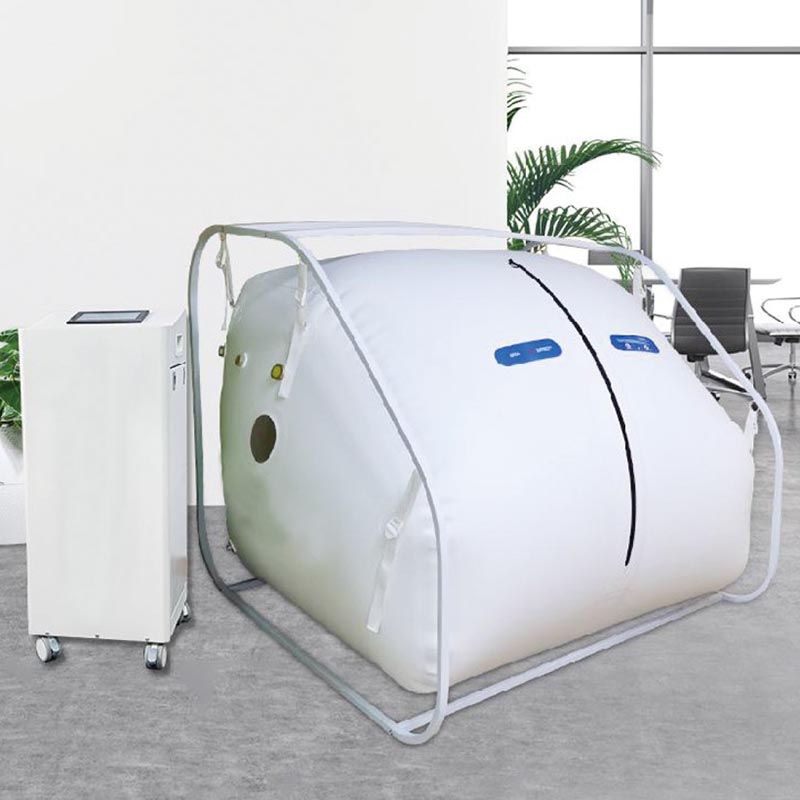
- Micro‑Hyperbaric Oxygen Chambers: A centralised system provides the oxygen source for multiple single‑person, two‑person, or multi‑person mild hyperbaric chambers, eliminating the need for individual concentrators inside each cabin and reducing noise and heat within the treatment rooms.
- Oxygen Jet Columns: A network of jet columns distributed throughout a gym or recovery zone can be supplied from the same infrastructure, allowing users to inhale high‑purity oxygen at close range during or after exercise.
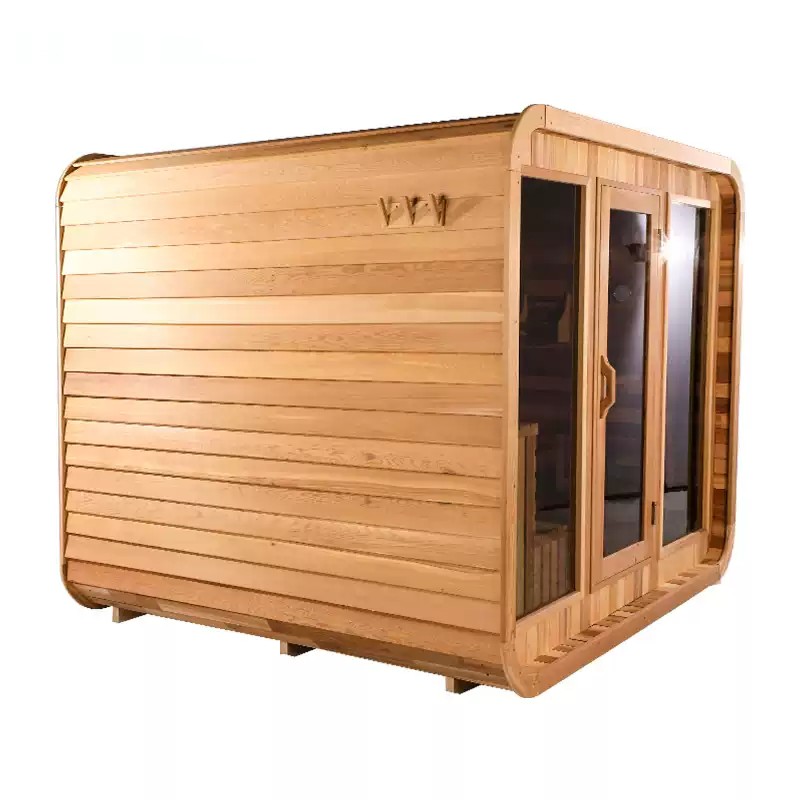
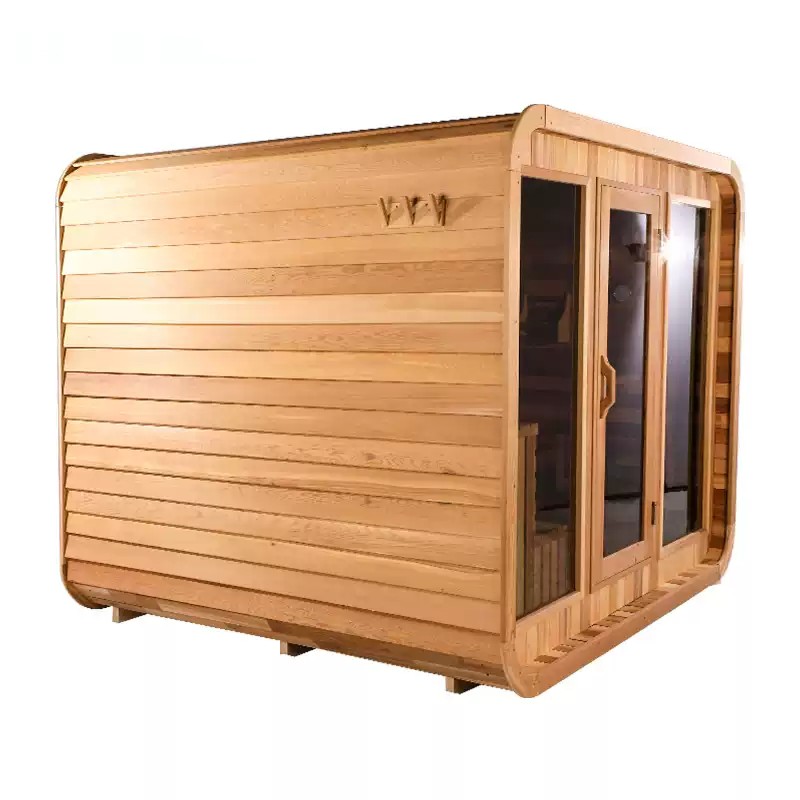
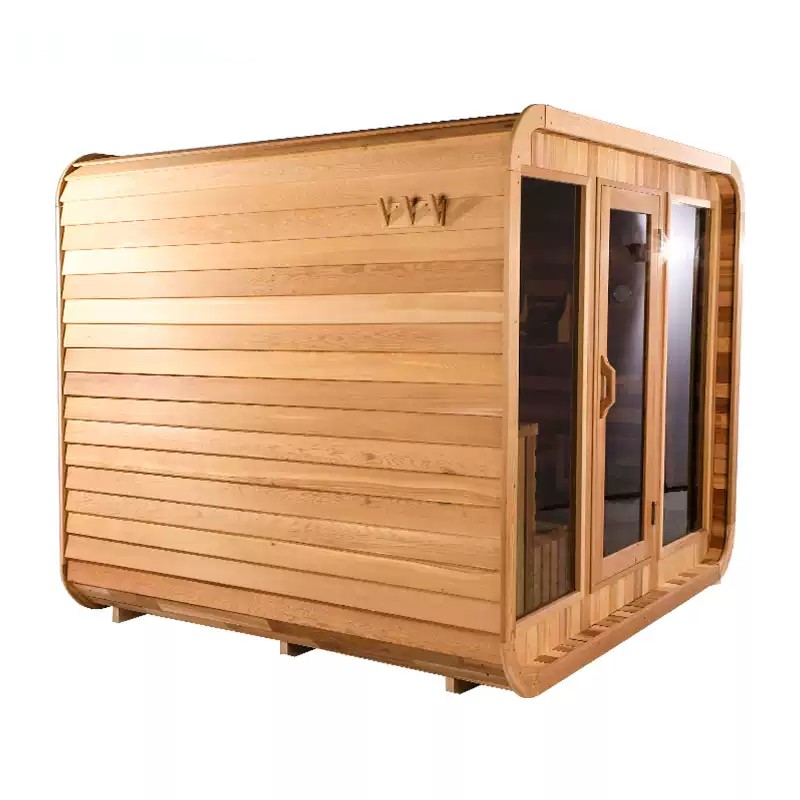
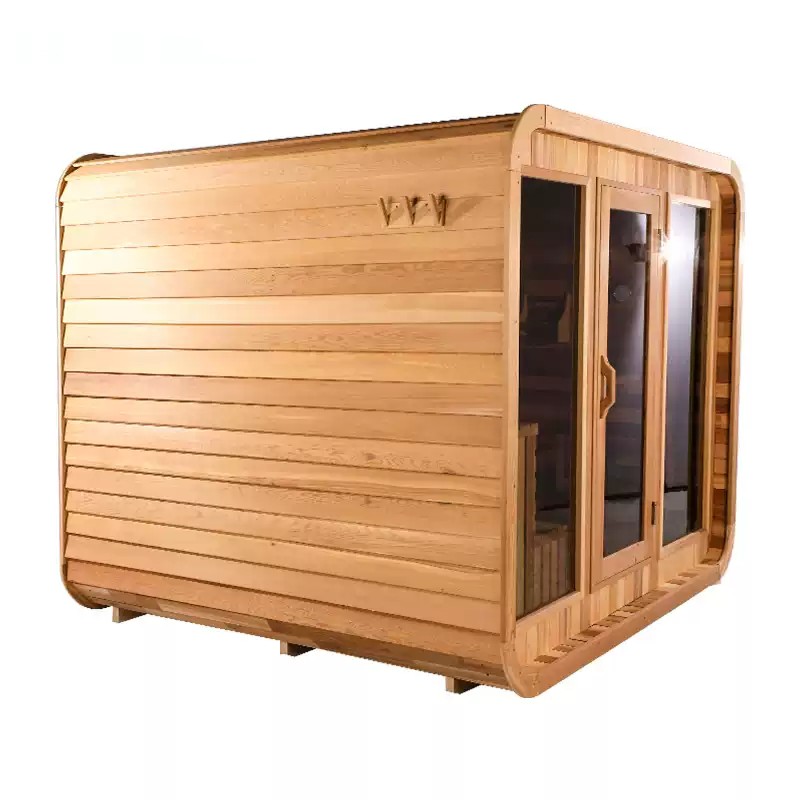
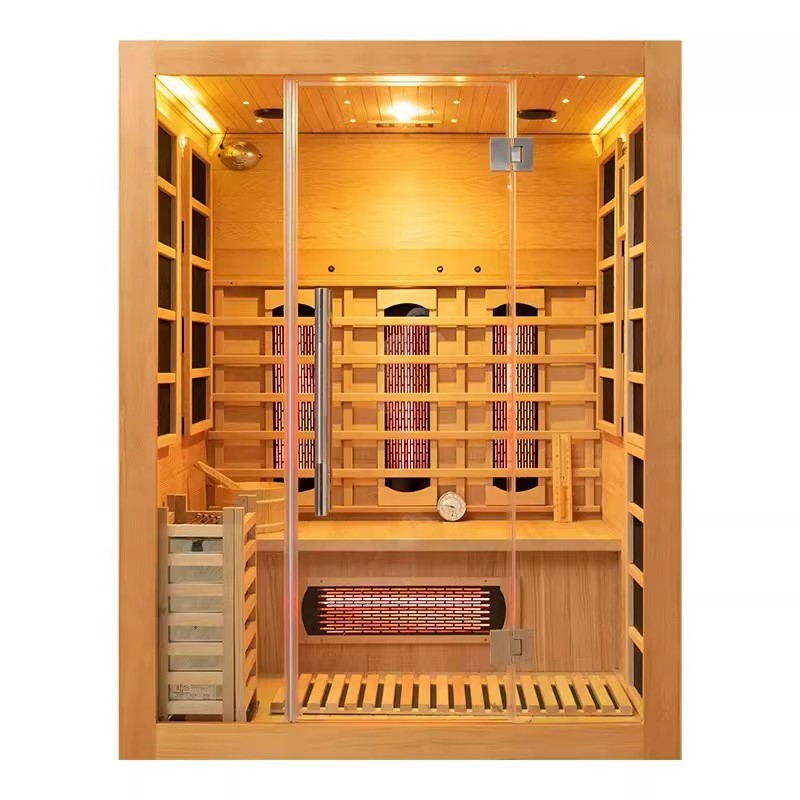
- Sauna Rooms and Relaxation Areas: Mildly enriched ambient oxygen in sauna lounges and cooldown areas may help accelerate post‑thermal recovery and sustain alertness, creating a differentiated premium experience without the need for individual equipment.
Energy Efficiency and Automation
The system is designed for low operational overhead. Variable‑frequency drives on the compressor adjust output in real time based on actual demand, avoiding the waste of running at full capacity when occupancy is low. An on‑board programmable logic controller (PLC) monitors oxygen purity, flow rate, line pressure, and ambient conditions, automatically adjusting the production rate and issuing alerts when maintenance is needed. For large‑scale installations, the PLC can be linked to the building’s central automation platform, enabling facility managers to track performance, schedule preventive maintenance, and generate compliance reports remotely.
Certifications and Compliance
Our oxygen generation systems are built in accordance with ISO 9001 quality management standards and carry CE and FDA certifications for the relevant components. The installation is engineered to meet local fire and electrical codes, and all oxygen‑enriched spaces are designed to stay within the ≤25% ambient oxygen threshold set by NFPA 99, ensuring safe operation in occupied environments.
Frequently Asked Questions
Can an existing building be retrofitted with a centralised oxygen system?
Yes. The oxygen distribution piping can be routed through ceiling voids, utility shafts, or external walls with minimal disruption. A feasibility study is conducted first to assess available electrical capacity, ventilation requirements, and structural load limits.
How much maintenance does a large‑scale oxygen generator require?
Routine maintenance includes replacing intake filters every 3–6 months, checking compressor oil levels, and verifying oxygen purity via the built‑in analyser. The molecular sieve beds typically last 20,000–30,000 operating hours before replacement. An annual service contract with a qualified technician is recommended.
What is the typical energy consumption compared to individual concentrators?
A centralised system is generally more energy‑efficient per litre of oxygen produced, especially at scale, because a single large compressor and PSA module operate closer to their optimal load point. Individual concentrators in every room would collectively draw more power and generate more waste heat.
- View as
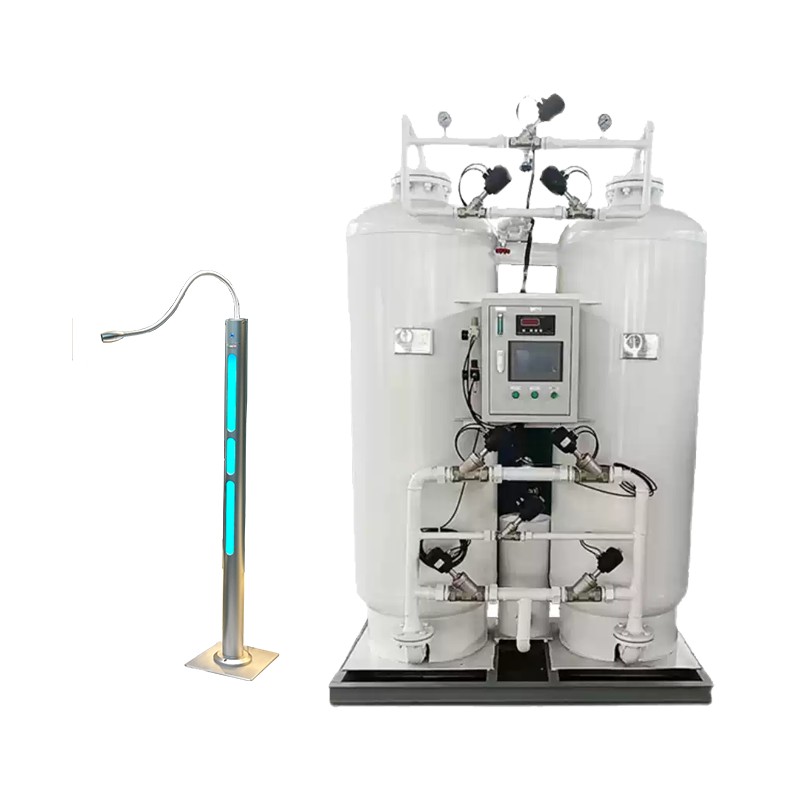
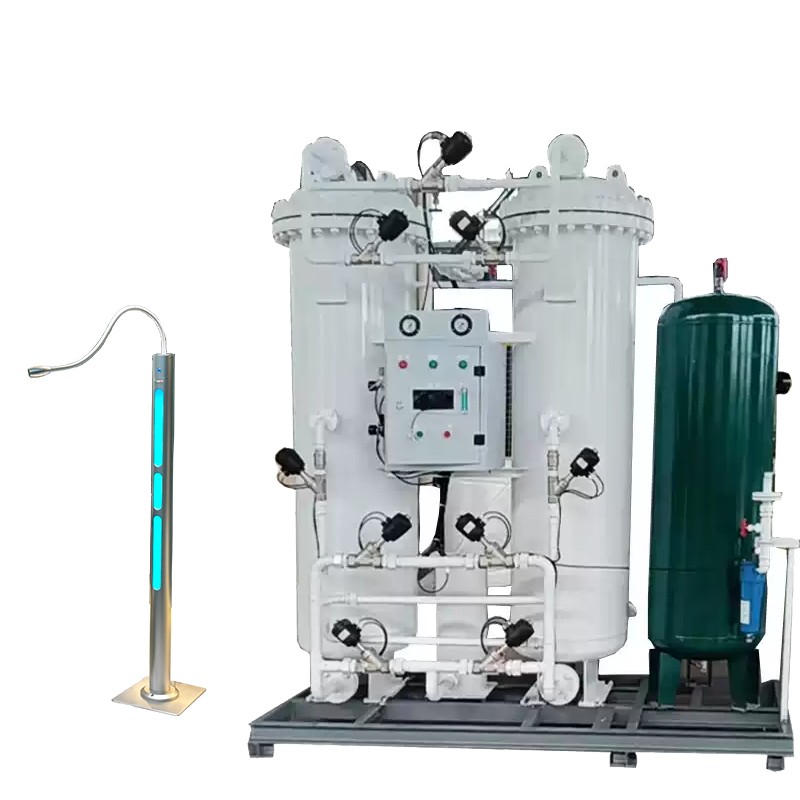
Oxygen Generation System for Card and Board Game Rooms
The Muke Intelligent Oxygen Generation System for Card and Board Game Rooms features oxygen generators with customizable output capacities tailored to specific operational needs. Its stylish oxygen-dispensing columns deliver oxygen directly to target areas, offering both high efficiency and ease of operation. This system is ideally suited for a wide range of mid-to-high-end card and board game venues. Please feel free to contact me for further details and a price quote.
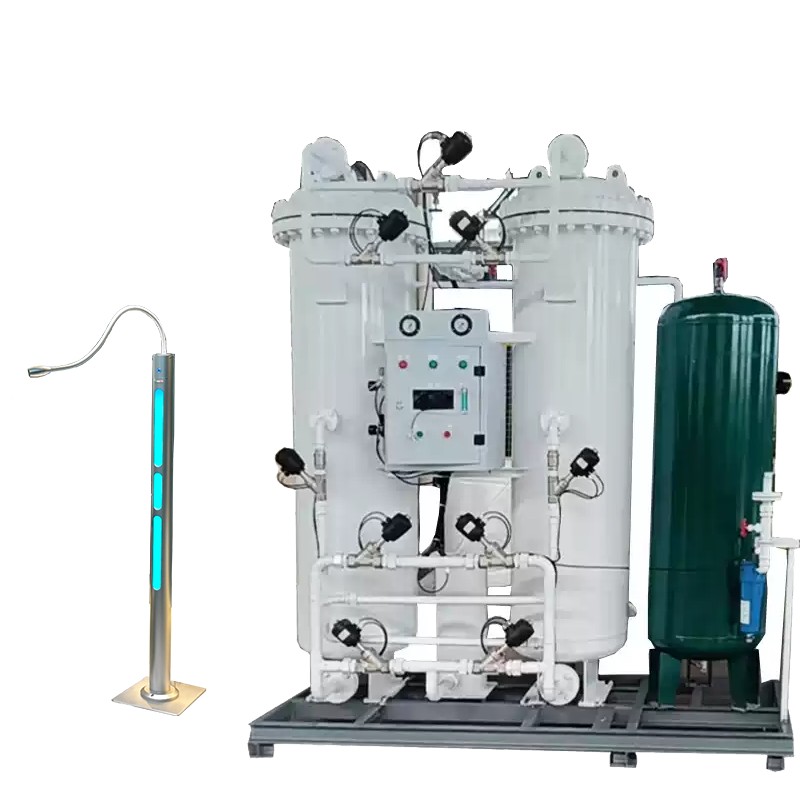
Beauty Salon Oxygen Generation System
The Muke Intelligent Beauty Salon Oxygen Generation System features oxygen concentrators with customizable output capacities tailored to your specific operational needs. Its stylish oxygen delivery columns not only boast an elegant aesthetic but also provide direct oxygen supply to target areas, offering both high efficiency and ease of operation. Ideal for a wide range of mid-to-high-end beauty salons, this system is a superb choice for enhancing your services. Please feel free to contact me for further details and a price quote.
Gym Oxygen Generation System
The Muke Intelligent Gym Oxygen Generation System features oxygen concentrators with customizable output capacities tailored to specific operational needs. Its aesthetically pleasing oxygen-delivery columns are designed to supply oxygen directly to targeted zones, making the system an ideal solution for a wide range of mid-to-high-end fitness facilities. Please feel free to contact me for further details and a price quotation.
Looking for reliable Custom Large-scale Oxygen Generation Systems? Muke Technology offers wholesale & custom solutions, fast delivery, durable quality. Get a quote now!