
Large-Capacity Multi-Person Large Sauna Room For Gym, Hotel And Commercial Spa Centers
Sauna rooms use controlled, high‑heat environments to raise core body temperature, triggering vasodilation and profuse sweating. This thermal stress stimulates cardiovascular adaptations similar to moderate exercise, supports the body’s natural elimination of metabolic waste through the skin, and helps relieve muscle tension. Regular sauna use is associated with improved endothelial function, reduced systemic inflammation, and a modulated stress response.
How Heat Supports Circulation and Immune Function
Vasodilation & Blood Flow: Heat exposure dilates peripheral blood vessels, increasing cardiac output and nutrient delivery to muscles and skin.
Heat Shock Proteins: Elevated temperatures induce the production of heat shock proteins, which assist in cellular repair and may strengthen immune resilience.
Stress Hormone Regulation: The rise and subsequent fall of cortisol during and after a session contributes to a state of deep relaxation and mental recovery.
Sweating and Detoxification
Sweating is one of the body’s pathways for excreting heavy metals and organic compounds. While the liver and kidneys perform the majority of detoxification, sweating in a sauna can complement these processes by removing small amounts of substances such as cadmium, lead, and phthalates.
Muscle Recovery and Pain Relief
Applied heat penetrates soft tissue, reducing muscle stiffness and joint soreness. This makes saunas an effective post‑exercise recovery tool, often used in combination with cold therapy to create a contrast effect that enhances circulation and reduces delayed‑onset muscle soreness.
Commercial‑Grade Design and Certifications
Our Multi-person Large Sauna Rooms are engineered for high‑traffic settings, including commercial gyms, spa centers, and private clubs. Constructed with durable, non‑toxic materials and equipped with precise temperature controls, they meet the safety requirements of CE and FDA certification. The infrared heating elements are rated for extended operation, ensuring consistent performance in demanding environments.
Common Pairings and Related Modalities
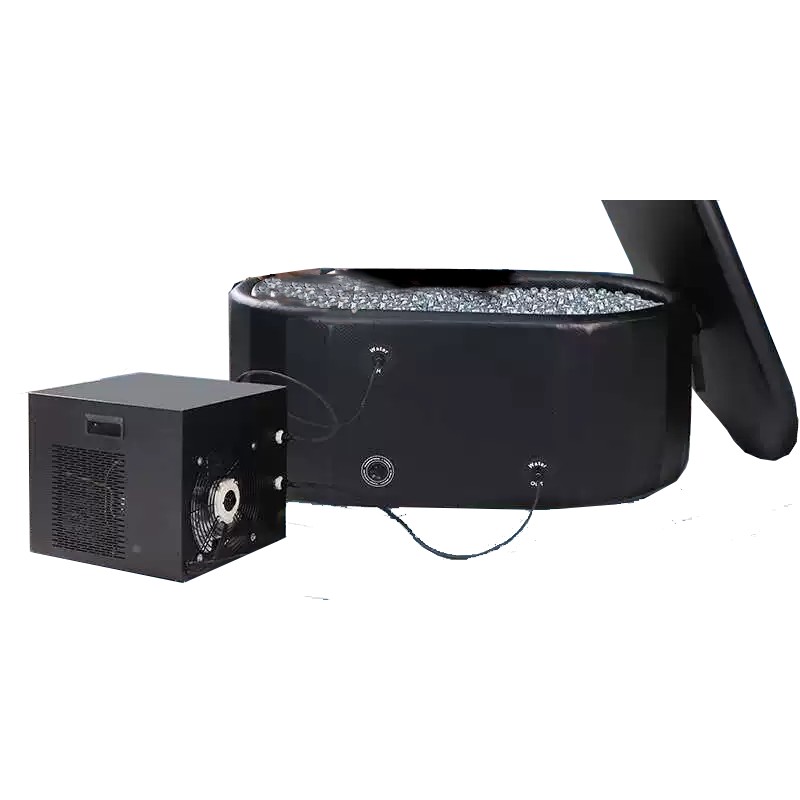
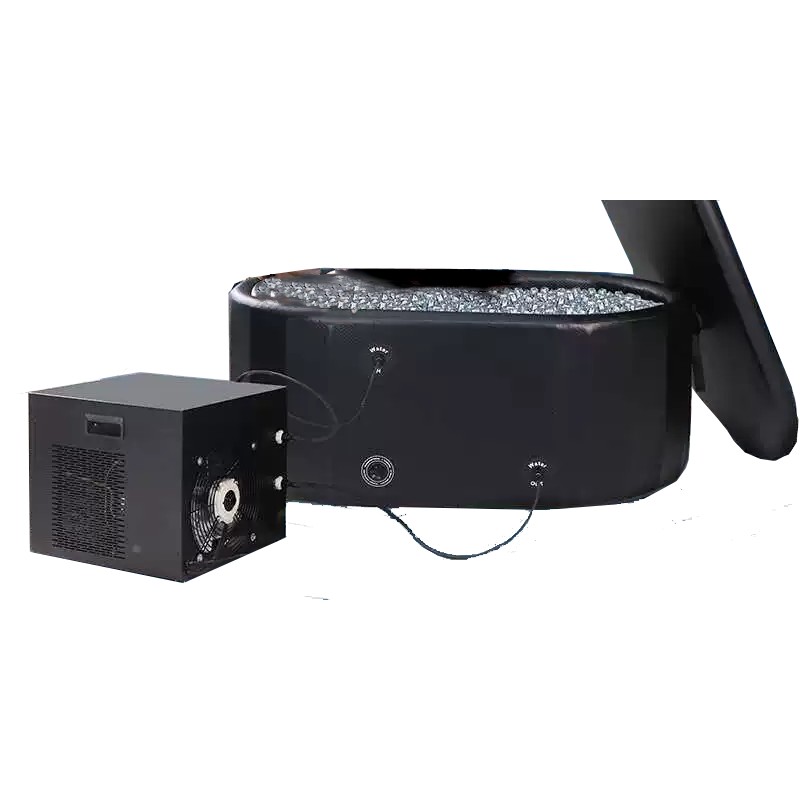
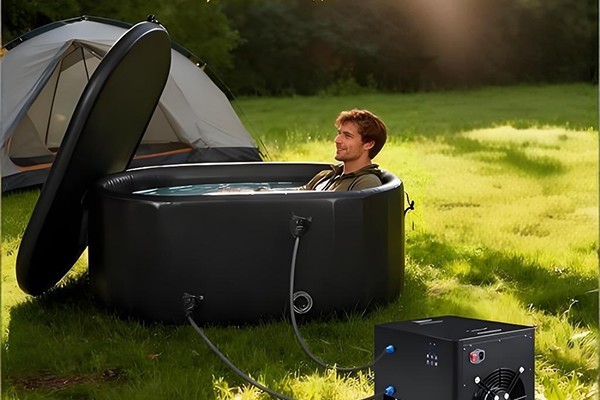
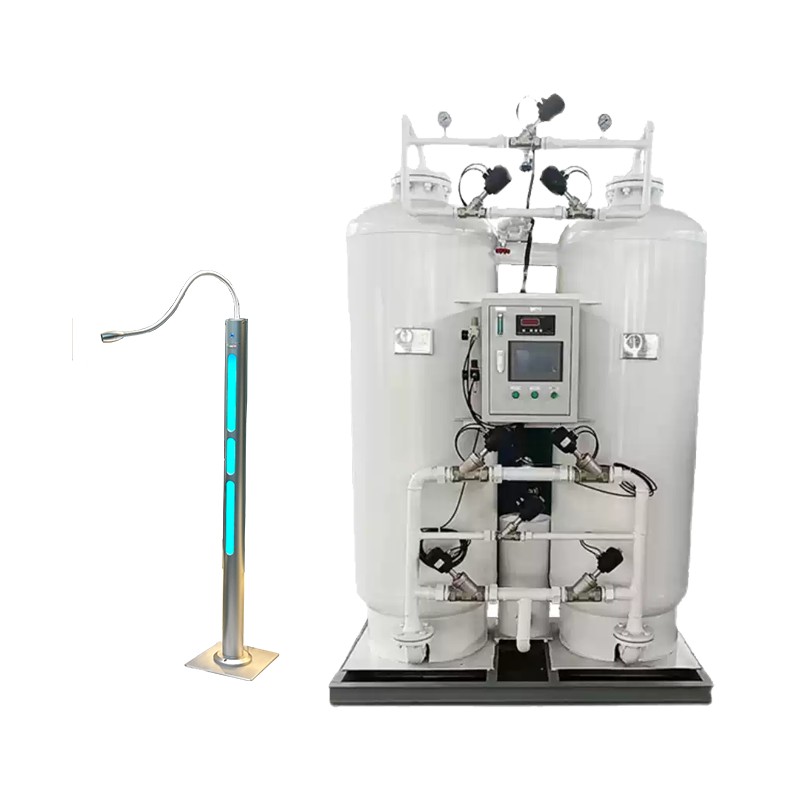
Sauna sessions are frequently alternated with ice bath machines or cryotherapy chambers to create contrast therapy protocols. This hot‑cold cycling can amplify circulatory benefits and shorten recovery time. For comprehensive wellness spaces, saunas can be paired with micro‑hyperbaric oxygen chambers to offer a complete spectrum of relaxation‑to‑recovery services.
Frequently Asked Questions
What’s the difference between an infrared sauna and a traditional sauna?
Infrared saunas use light to heat the body directly, typically operating at lower ambient temperatures (45–60 °C) while producing a more profuse sweat. Traditional saunas heat the air to 70–100 °C, resulting in a more intense ambient heat. Both have demonstrated cardiovascular benefits; the choice depends on user preference and tolerance.
Are your sauna rooms suitable for residential installation?
Yes, models from our range can be installed in home environments, provided there is adequate ventilation and a dedicated electrical circuit. Our multi‑person units are more common in commercial spaces, but compact 1‑person and 2‑person sauna rooms are available for residential use.
How should the sauna be maintained?
Wipe down benches and interior surfaces with a mild, non‑abrasive cleaner after each session. Infrared panels require occasional dusting. The control unit should be inspected periodically, and the electrical connections checked by a qualified technician according to the manufacturer’s maintenance schedule.
- View as
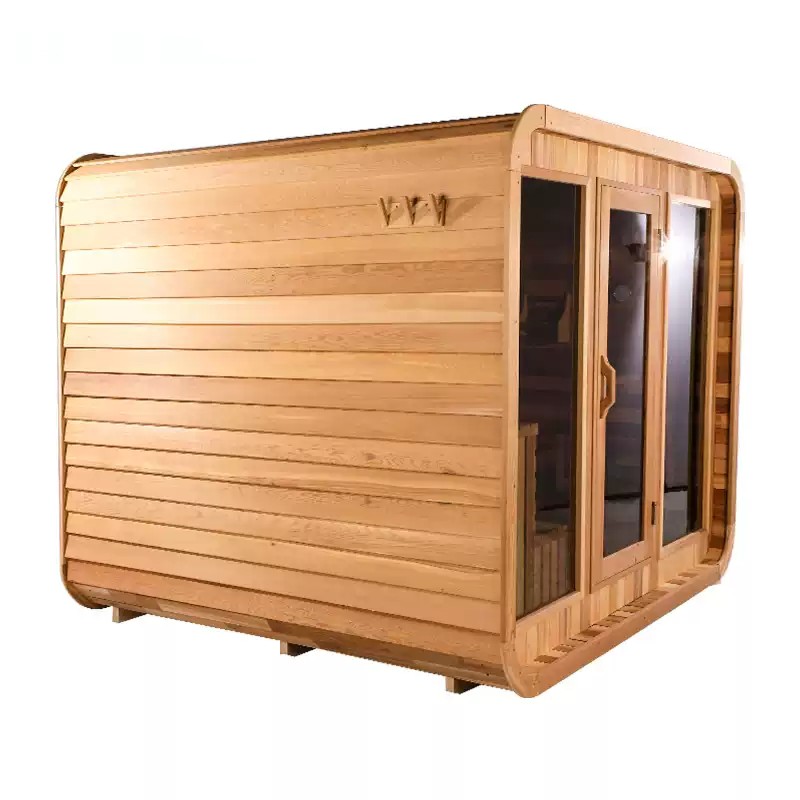
6–10 Person Wet and Dry Saunas
Muke Intelligent presents its newly customized dry-and-wet sauna room. Built to seat 6 to 10 people, the versatile unit fits seamlessly into homes, gyms, beauty salons and beyond. Backed by full OEM and ODM support,6–10 Person Wet and Dry Saunas combines low-EMF far-infrared technology with premium Canadian timber to deliver deep detoxification and a complete spa experience—right where you live.
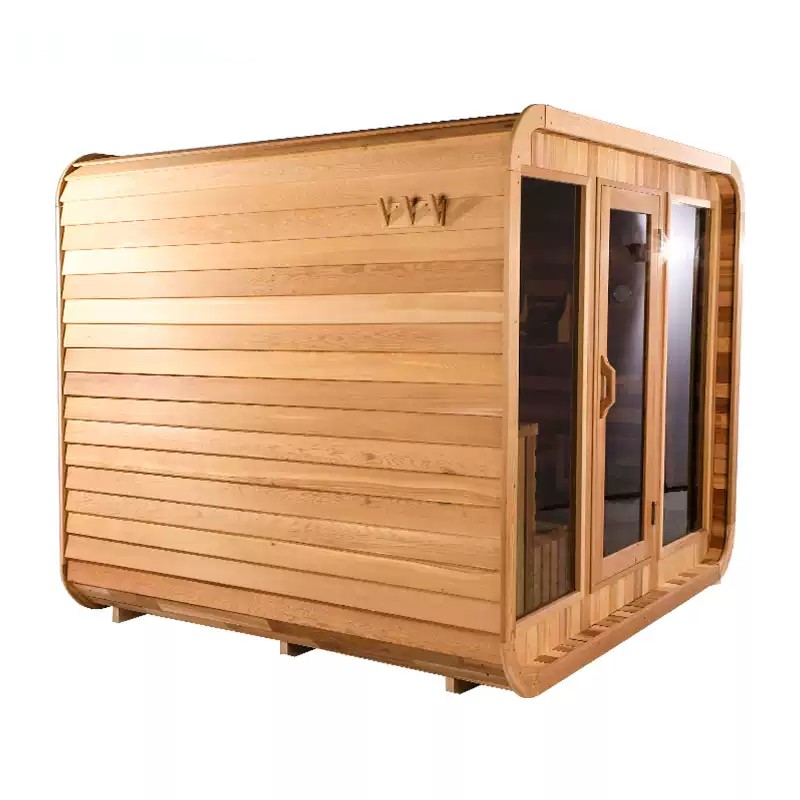
6–10 Person Volcanic Stone Sauna Room
Experience deep detoxification and full spa therapy without leaving home. Muke Intelligent's newly customized volcanic stone sauna room seats 6 to 10 people, making it ideal for residences, gyms, beauty salons and more. Crafted with premium Canadian timber and powered by low-EMF far-infrared technology, the 6–10 Person Volcanic Stone Sauna Room is available through our OEM and ODM services.
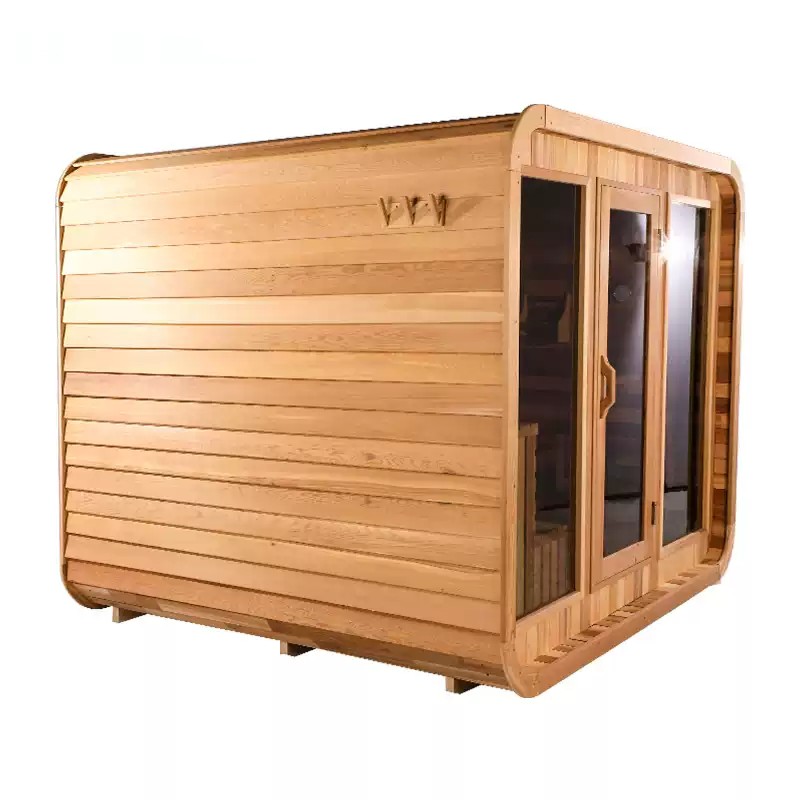
6-10 Person Far-Infrared Sauna
Muke Intelligent presents its custom-designed new-model 6-10 Person Far-Infrared Sauna. Built to seat 6 to 10 people, the versatile unit fits seamlessly into homes, gyms, beauty salons and beyond. Backed by full OEM and ODM support, it combines low-EMF far-infrared technology with premium Canadian timber to deliver deep detoxification and a complete spa experience—right where you live.
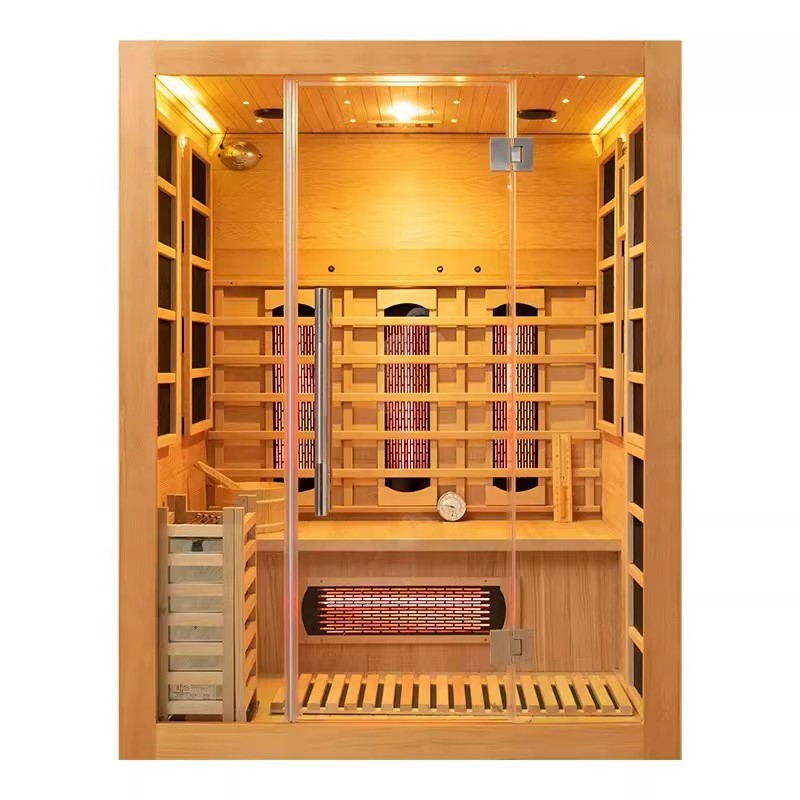
4-6 Person Wet and Dry Saunas
Muke Intelligent proudly introduces its all-new, custom-designed 4-6 Person Wet and Dry Saunas, suitable for both dry and wet use. Engineered for versatility, this unit is an ideal fit for homes, gyms, beauty salons, and more. With full OEM and ODM support, the sauna combines Low-EMF far-infrared technology with premium Canadian wood, allowing you to enjoy deep detoxification and a comprehensive spa experience in the comfort of your own space.
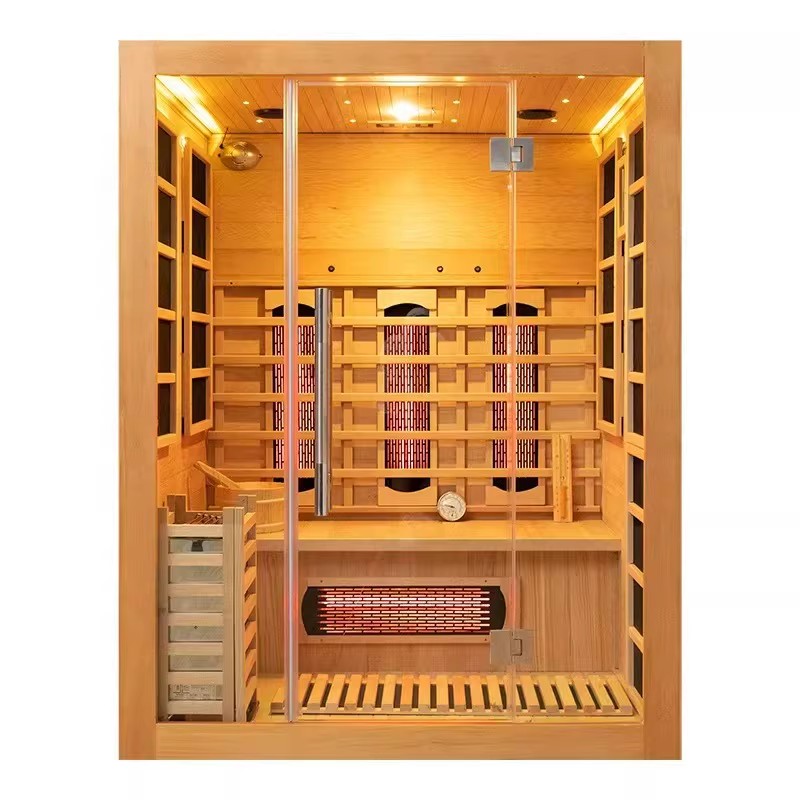
4-6 Person Volcanic Stone Sauna Room
Muke Intelligent is pleased to introduce a newly customized 4-6 Person Volcanic Stone Sauna Room. With a capacity of 4 to 6 persons, this multi-purpose volcanic stone sweat room is suitable for residential, fitness and beauty salon environments. Supported by our OEM and ODM capabilities, the sauna integrates low-EMF far-infrared technology and high-grade Canadian timber, providing users with deep detoxification and comprehensive spa therapy in the comfort of their own premises.
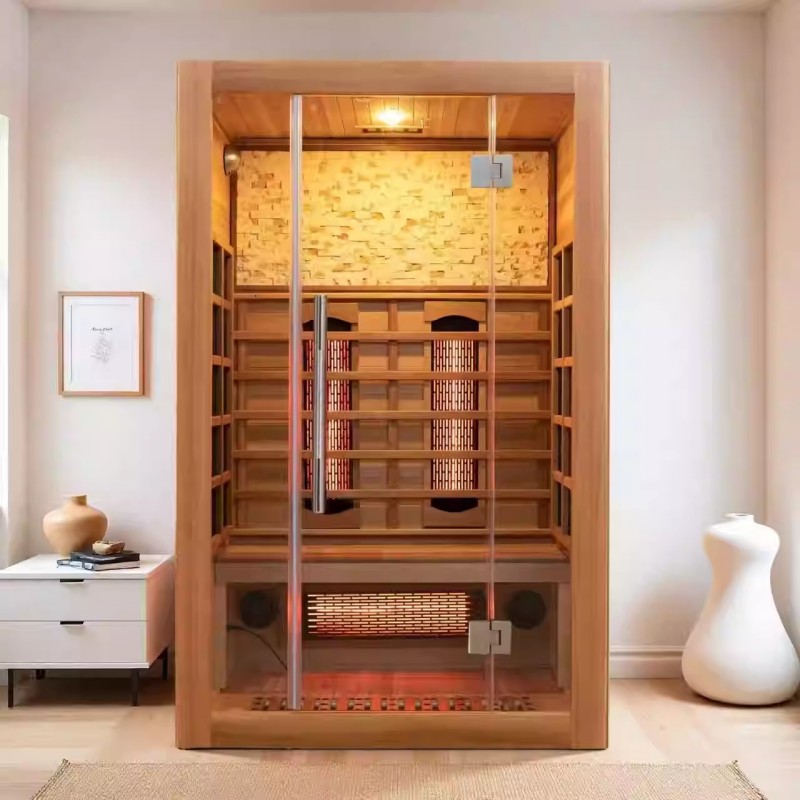
4-6 Person Far-Infrared Sauna
Custom-designed new-model 4-6 Person Far-Infrared Sauna are offered by Muke Intelligent. Each 4–6 person unit is engineered for residential, gym and beauty salon use, and is manufactured using low-EMF far-infrared technology and premium Canadian timber. Deep detoxification and comprehensive spa therapy are delivered to users in their own homes. Full OEM and ODM services are supported.
Looking for reliable Multi-person Large Sauna Room? Muke Technology offers wholesale & custom solutions, fast delivery, durable quality. Get a quote now!