
What Applications Are Driving Demand for High-Purity Oxygen Concentrators?
The global demand for high-purity oxygen concentrators is experiencing unprecedented growth, driven by a convergence of medical, industrial, and environmental needs. At the heart of this surge is the Oxygen Concentrator itself—a remarkable device that extracts and purifies oxygen from the ambient air, providing a reliable, on-site source of this vital gas. But what exactly is an Oxygen Concentrator, and why is its role becoming so critical across such a wide spectrum of applications? The answer lies in the device's ability to produce medical-grade oxygen on-demand, eliminating the logistical burdens and safety risks associated with traditional gas cylinders. This on-site generation capability is transforming how healthcare is delivered, how industrial processes are optimized, and how new frontiers in environmental and life-support systems are being explored. At Muke Intelligent Technology (Shandong) Co., Ltd., our factory has been at the forefront of this technology for over a decade, and we have observed a dramatic shift in how industries are adopting Oxygen Concentrator systems to solve their unique challenges.
This surge in demand is not a single-market phenomenon; it is a multi-faceted evolution. In the medical sector, the growing prevalence of respiratory diseases, an aging population, and the shift towards home-based care are driving the need for reliable, portable Oxygen Concentrator devices. In industrial settings, the push for higher efficiency in metal cutting, the need for precise oxygen enrichment in glass manufacturing, and the growing aquaculture industry are all turning to Oxygen Concentrator technology. Furthermore, emerging applications in environmental remediation, wastewater treatment, and even high-altitude building ventilation are creating new frontiers for high-purity oxygen systems. This article will dissect the key application drivers, examining the specific technical and economic factors that make the Oxygen Concentrator the preferred choice for each sector. We will explore the critical role of purity, flow rate, and reliability in these diverse environments, and we will show how our Oxygen Concentrator products are engineered to meet these exacting demands.

Table of Contents
- 1. What Is an Oxygen Concentrator?
- 2. Why Is the Medical Sector the Primary Driver for Oxygen Concentrator Adoption?
- 3. How Are Industrial Applications Demanding Higher-Purity Oxygen Concentrators?
- 4. What Technical Specifications Define a High-Performance Oxygen Concentrator?
- 5. What Emerging Applications Are Shaping the Future of Oxygen Concentrators?
- Frequently Asked Questions (FAQ)
- Conclusion and Consultation
What Is an Oxygen Concentrator?
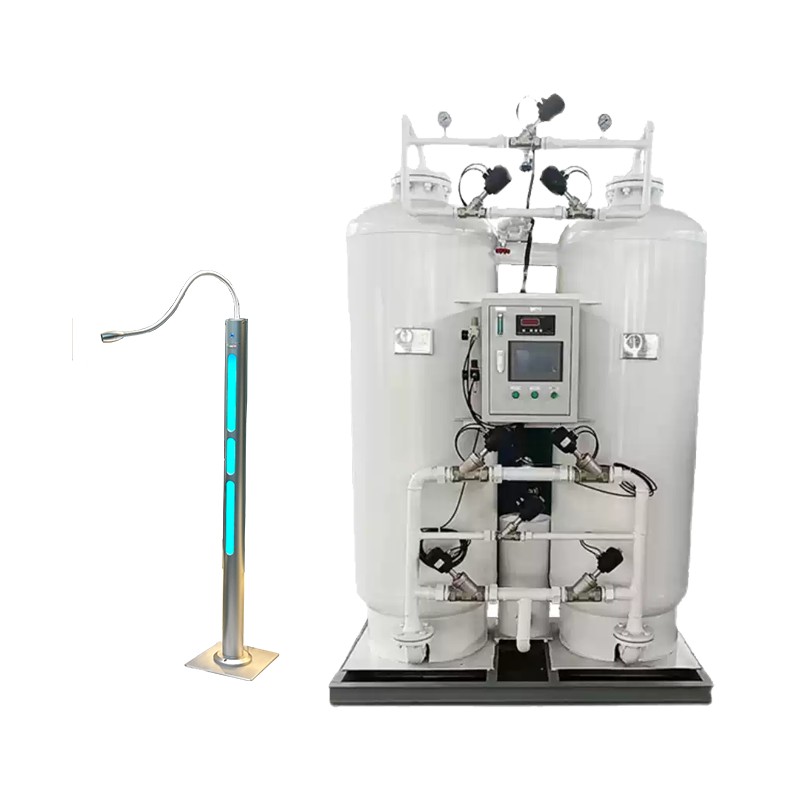
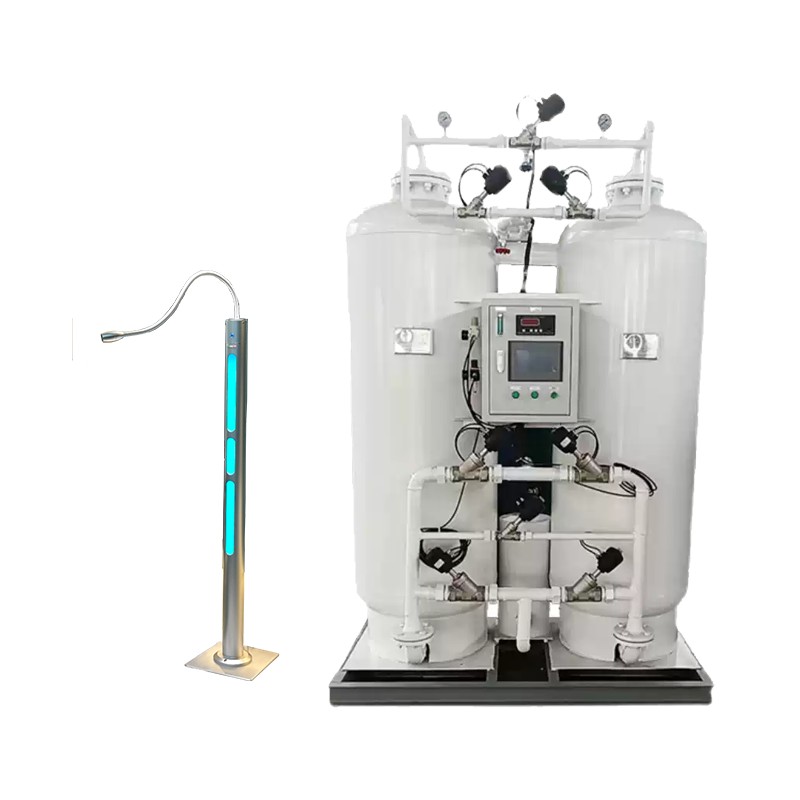
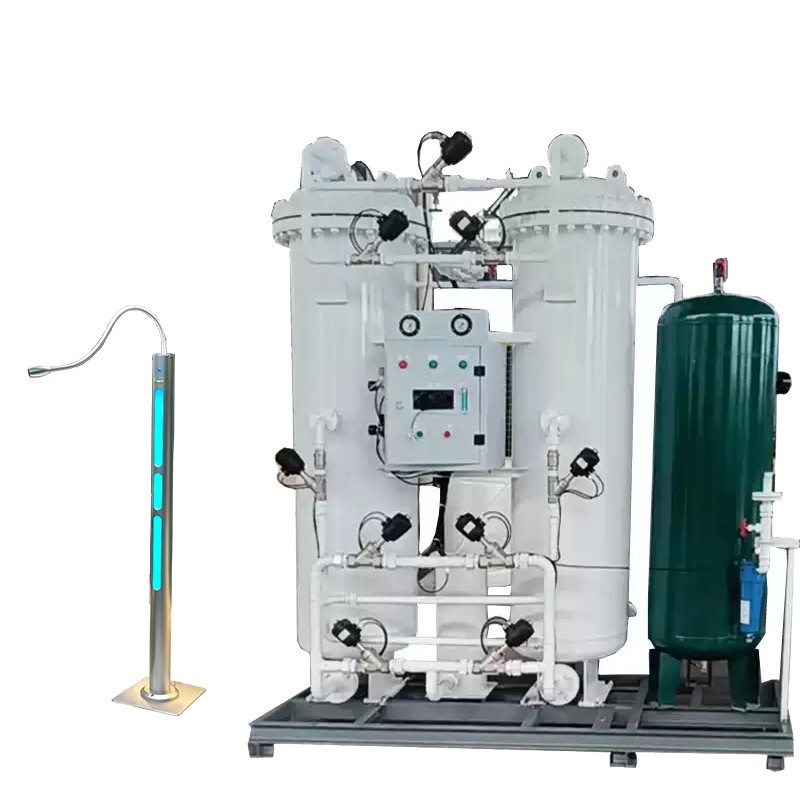
An Oxygen Concentrator is a medical and industrial device designed to separate oxygen from ambient air and deliver it as a concentrated gas stream. Unlike a traditional oxygen cylinder, which stores a finite amount of compressed gas, an Oxygen Concentrator generates oxygen on-demand using only electricity. The core technology behind this process is called Pressure Swing Adsorption (PSA). To understand PSA, imagine a tiny sieve that selectively captures nitrogen molecules while letting oxygen pass through. That sieve is a zeolite molecular sieve, and it is the heart of the Oxygen Concentrator. Ambient air, which is approximately 21% oxygen, 78% nitrogen, and 1% argon and other gases, is compressed and passed through a tower filled with this zeolite material. The zeolite's microscopic pores are precisely sized to trap nitrogen molecules, allowing oxygen and argon to flow through and be collected as the product gas. Meanwhile, the other tower is depressurized, releasing the captured nitrogen back into the atmosphere and regenerating the sieve for the next cycle. These two towers alternate between adsorption and regeneration, ensuring a continuous supply of high-purity oxygen.
This elegant cycle has several profound implications. First, it means that an Oxygen Concentrator does not rely on any consumable materials—it uses only air and electricity. This dramatically reduces the operational costs compared to delivered gas. Second, it is inherently safe. There is no storage of large volumes of high-pressure gas, eliminating the explosion and leakage risks associated with cylinders. Third, the purity of the oxygen produced (typically 90-96%) is more than sufficient for the vast majority of medical and industrial applications. The balance consists mainly of argon, an inert gas that is harmless in these concentrations. Over the years, we at Muke Intelligent Technology (Shandong) Co., Ltd. have refined this PSA process to achieve higher efficiency, lower noise, and greater reliability. Our Oxygen Concentrator systems incorporate advanced control algorithms that optimize the cycle timing based on real-time demand and environmental conditions, ensuring that the purity and flow rate remain stable even when the ambient temperature or pressure changes.
Why Is the Medical Sector the Primary Driver for Oxygen Concentrator Adoption?
Imagine a pulmonologist in a busy urban hospital. She has just diagnosed another patient with Chronic Obstructive Pulmonary Disease (COPD), a progressive condition that makes breathing increasingly difficult. Her standard prescription is long-term oxygen therapy (LTOT). However, she faces a problem: how can she ensure her patient receives the required 15 hours of daily oxygen without being tethered to a fixed, heavy tank? The solution has become the Oxygen Concentrator, and specifically, the portable or home-care Oxygen Concentrator. This single application is arguably the largest driver of the technology's global demand. The aging global population, the increased incidence of respiratory diseases like COPD and asthma, and the economic pressure on healthcare systems to shift care from hospitals to home settings have created an unprecedented need for reliable, easy-to-use oxygen delivery devices.
For the patient, the Oxygen Concentrator represents a quantum leap in quality of life. Instead of a stationary tank that confines them to one room, a modern, lightweight Oxygen Concentrator, weighing as little as 2-3 kg, can be carried in a small backpack or pulled on a wheeled cart. This portability allows patients to move around their homes, go shopping, or even travel, dramatically improving their mental and physical well-being. But this portability comes with rigorous technical demands. The device must deliver a consistent, high-purity oxygen flow (typically 90-96%) at varying flow rates (1-5 liters per minute). It must be quiet enough to not disturb sleep (below 40 dBA). It must be incredibly reliable, with a long service life and low maintenance requirements, because a failure could be a life-threatening emergency. Our factory has designed our medical Oxygen Concentrator specifically with these demands in mind. We use high-efficiency compressors and advanced noise reduction technology to achieve a whisper-quiet operation, and our proprietary airflow management ensures long-term reliability and consistent purity.
The hospital system also benefits immensely. Home-care Oxygen Concentrator systems allow hospitals to discharge patients earlier, freeing up beds and reducing costs. The on-site generation also eliminates the logistical burden of managing thousands of bulky oxygen cylinders. No more storage rooms full of hazardous tanks, no more delivery trucks, and no more supply chain disruptions. Our Oxygen Concentrator technology is the linchpin of this shift, providing a dependable solution that empowers healthcare providers and patients alike. The data speaks for itself: the global home healthcare market is projected to grow significantly, and the Oxygen Concentrator is at the center of that expansion. As respiratory disease rates continue to rise, this application will only become more critical.
How Are Industrial Applications Demanding Higher-Purity Oxygen Concentrators?
While the medical sector is the most visible driver, the industrial demand for high-purity Oxygen Concentrator systems is growing just as rapidly, albeit for very different reasons. In industrial applications, the economic argument for on-site oxygen generation is often even more compelling than in the medical field. Consider a laser cutting facility. Traditional laser cutting uses high-pressure oxygen (typically 99.5% pure) to blow molten metal away from the cut. This is often supplied by liquid oxygen (LOX) or cylinders, which are expensive and logistically intensive. An Oxygen Concentrator, delivering oxygen at 93-95% purity, can dramatically reduce cutting gas costs by up to 70% while maintaining acceptable cut quality. In many cases, the slight reduction in purity can be compensated by adjusting the laser parameters, making the Oxygen Concentrator an incredibly cost-effective solution. This is a classic example of the "good enough" principle, where high cost is not always synonymous with "best."
Another booming industrial application is aquaculture. In intensive fish farming, the oxygen level in the water is a critical factor in stocking density and growth rates. Traditionally, aquaculture farms use liquid oxygen or oxygen cylinders to aerate their ponds. However, the cost of delivered oxygen is a significant operational expense. An Oxygen Concentrator provides a much more economical solution, allowing farmers to increase their stocking density and improve feed conversion ratios. The purity requirement in aquaculture is lower than in medicine—typically 90-93%—making an Oxygen Concentrator a perfect match. This application is expanding rapidly in regions like Asia and South America, where aquaculture is a major economic activity. Our Oxygen Concentrator systems are engineered to deliver the required flow rates and purities needed for these demanding environments, with robust enclosures to withstand the humid and often corrosive conditions of fish farms.
Furthermore, the glass and ceramics industry relies on oxygen enrichment to improve combustion efficiency in their furnaces. By increasing the oxygen concentration in the combustion air, they can reduce fuel consumption, lower emissions, and increase the melting rate. A high-purity Oxygen Concentrator offers a cost-effective alternative to cryogenic oxygen, which is often the traditional choice. The initial investment in an Oxygen Concentrator system can be recouped within 12-18 months through fuel savings alone. Our factory has developed specialized Oxygen Concentrator systems for combustion applications, designed to deliver high volumes of oxygen at a purity of 90-95%, with integrated control systems that modulate flow based on furnace demand. This ensures that the oxygen supply is perfectly matched to the process, maximizing efficiency and minimizing waste.
What Technical Specifications Define a High-Performance Oxygen Concentrator?
To meet the diverse demands of medical and industrial applications, a modern Oxygen Concentrator must excel across a range of technical parameters. The following table provides a detailed breakdown of the key specifications for our flagship Oxygen Concentrator models, designed to cater to different application requirements. Each specification is the result of extensive engineering and reflects the real-world demands of our customers.
| Parameter | MK-M10 (Medical Home-Care) | MK-I20 (Industrial & Aquaculture) | MK-I50 (High-Purity Industrial) |
| Oxygen Purity (%) | 90-96% | 90-93% | 93-96% |
| Flow Rate (L/min) | 1-5 (adjustable) | 5-20 | 15-50 |
| Max Pressure (bar) | 3-5 | 4-6 | 5-7 |
| Noise Level (dBA @1m) | < 40 | < 55 | < 60 |
| Power Consumption (W) | 180-300 | 800-1500 | 2000-3500 |
| Weight (kg) | 12-16 | 85-120 | 180-220 |
| Operating Temp. Range (°C) | +5 to +40 | 0 to +45 | -5 to +50 |
| Typical Application | Home Oxygen Therapy | Fish Farming / Laser Cutting | Glass Manufacturing / Chemical Processing |
The specifications in this table tell a story about our engineering priorities. For the medical MK-M10, the focus is on low noise and lightweight design, as the device will be used in a home environment, often at night. The purity is high (up to 96%) to meet strict medical standards, but the flow rate is modest (1-5 L/min) because that is what a single patient typically requires. For the industrial MK-I20, the focus shifts to robust construction and higher flow rates (5-20 L/min), as the device will be installed in a factory or fish farm where ambient noise levels are higher, and durability is paramount. The purity is slightly lower (90-93%) because industrial processes often do not need the highest purity, and a lower purity allows for a higher flow rate from the same size compressor. The MK-I50 is our heavy-duty solution, designed for the most demanding industrial applications like glass melting, where high flow rates and consistent purity are essential for process stability. This model features a more robust cooling system and a higher pressure capability to ensure it can keep up with the furnace's oxygen demand.
Beyond these core specifications, our Oxygen Concentrator systems are equipped with advanced control features. They include real-time purity monitoring, automatic flow rate adjustment, and remote alarm capabilities. These features are not just "nice-to-haves"; they are essential for ensuring patient safety in a medical setting and for maintaining process quality in an industrial environment. For example, in a laser cutting application, a sudden drop in oxygen purity could affect the cut quality, leading to material waste. Our Oxygen Concentrator's monitoring system would detect this drop and alert the operator, allowing them to take corrective action before a significant loss occurs. This proactive approach to quality control is a hallmark of our design philosophy at MOXBO.
What Emerging Applications Are Shaping the Future of Oxygen Concentrators?
While medical and industrial applications currently dominate the market, a number of emerging sectors are beginning to adopt Oxygen Concentrator technology, expanding the technology's footprint in exciting ways. One of the most intriguing is in the field of high-altitude environments. As more people live and work in high-altitude cities (above 2,500 meters) like La Paz, Bolivia, or Lhasa, Tibet, the demand for supplemental oxygen in buildings is growing. Traditional methods of oxygen enrichment for buildings are expensive and energy-intensive. An Oxygen Concentrator system can be scaled to provide a constant, low-level oxygen enrichment for entire buildings, improving occupant comfort and productivity in these thin-air environments. Our factory is currently working on a pilot project to install an Oxygen Concentrator system in a high-altitude hotel, demonstrating the potential of this technology to mitigate the effects of altitude sickness.
Another emerging application is in the field of wastewater treatment. Oxygen is essential for the aerobic bacteria that break down organic pollutants in wastewater. Supplying pure oxygen to aeration tanks can dramatically increase the efficiency of the treatment process, reducing the energy required for aeration and improving the quality of the treated water. An Oxygen Concentrator offers a cost-effective way to provide this pure oxygen, especially for smaller-scale municipal or industrial treatment plants that cannot justify the investment in a large-scale cryogenic air separation plant. This is an area where the modularity of Oxygen Concentrator systems is a significant advantage. As a treatment plant grows, additional Oxygen Concentrator units can be added to meet the increasing demand.
Furthermore, the field of closed-environment life support, such as submarines, space stations, and military bunkers, relies on reliable oxygen generation. In these extreme environments, the ability to produce oxygen from ambient air is not just a cost-saving measure; it is a matter of survival. Our Oxygen Concentrator technology has been adapted for use in several military and aerospace applications, where its compact design, high reliability, and low maintenance requirements are of paramount importance. For example, our Oxygen Concentrator systems are being tested for use in deep-sea submersibles, where the crew must rely on a constant supply of breathable oxygen for extended periods. These specialized systems are built to withstand the immense pressures of the deep ocean while providing the crew with the oxygen they need to survive. As these frontier applications continue to develop, they will push the boundaries of what is possible with Oxygen Concentrator technology, driving further innovation in efficiency, portability, and ruggedness.
Frequently Asked Questions (FAQ)
Question 1: What is the difference between an oxygen concentrator and an oxygen cylinder?
Answer: An Oxygen Concentrator is an electrical device that draws in ambient air and separates oxygen from nitrogen using a molecular sieve, delivering a continuous supply of concentrated oxygen (typically 90-96%). An oxygen cylinder, conversely, is a storage vessel that contains compressed or liquid oxygen that must be delivered and refilled. The Oxygen Concentrator produces oxygen on-demand, eliminating the need for deliveries and the safety risks of high-pressure storage, while a cylinder provides a finite amount of oxygen that must be monitored and replaced.
Question 2: How much power does an oxygen concentrator consume, and how does it affect operational costs?
Answer: The power consumption depends on the flow rate and purity required. Small home-care units (5 L/min) typically consume 180-300 watts, while larger industrial units (up to 50 L/min) consume up to 3,500 watts. The operational cost is determined by the local electricity price. Compared to the cost of delivered oxygen, the power cost of an Oxygen Concentrator is significantly lower in almost all applications, often making the investment payback period less than two years.
Question 3: How often does an oxygen concentrator require maintenance?
Answer: Maintenance requirements depend on the model and the operating environment. Home-care units typically require the intake filter to be cleaned every few weeks and a more thorough service every 2-3 years. Industrial units may require more frequent attention to the compressor and dust filters, with a major service every 1-2 years. Our Oxygen Concentrator systems are designed for ease of service, with modular components and clear diagnostic indicators.
Question 4: Can oxygen concentrators be used in high-humidity environments without failing?
Answer: Yes, but the design must account for this. High humidity can affect the efficiency of the zeolite molecular sieve and cause corrosion in the compressor. Our industrial Oxygen Concentrator systems are equipped with advanced air drying and filtration systems to remove moisture before the air reaches the sieve beds. For extreme environments, such as tropical fish farms, we offer specialized models with enhanced sealing and corrosion-resistant components.
Question 5: What purity of oxygen is typically needed for medical and industrial applications?
Answer: Medical applications (such as home oxygen therapy) typically require 90-96% purity, meeting the US Pharmacopeia (USP) standard. Industrial applications vary widely: laser cutting often requires 93-95% purity, aquaculture and glass manufacturing can operate effectively at 90-93%, and wastewater treatment often requires only 90-92%. Our factory provides custom calibration to match your specific purity and flow rate requirements.
Conclusion: The Future of Oxygen Supply Is On-Site and On-Demand
From helping a COPD patient breathe easier at home to enabling a fish farm to increase its stocking density, the Oxygen Concentrator has become an indispensable tool in a surprisingly wide range of applications. The technology's ability to produce high-purity oxygen reliably, safely, and economically from the ambient air is driving its adoption across medical, industrial, and emerging sectors. At Muke Intelligent Technology (Shandong) Co., Ltd., we are committed to advancing this technology, engineering Oxygen Concentrator systems that are more efficient, durable, and intelligent. Our product line is designed to meet the specific demands of each application, ensuring that our customers get the right solution for their unique challenges.
If you are considering moving away from delivered oxygen or seeking to improve your on-site oxygen generation capabilities, we invite you to discuss your needs with our expert team. We can help you evaluate your application and recommend the optimal Oxygen Concentrator solution, backed by our comprehensive technical support and warranty. Contact us today for a no-obligation consultation. Request your free application analysis now from Muke Intelligent Technology (Shandong) Co., Ltd. and discover how our Oxygen Concentrator systems can power your operations.
Related News
- How Does a Liquid Nitrogen Cryo Chamber Improve Modern Cold Therapy Experiences?
- How Does a 1 HP Ice Bath Chiller Improve Cold Therapy Performance?
- How Does a Micro-Hyperbaric Oxygen Chamber Improve Modern Oxygen Therapy Experiences?
- How Ice Bath Machines Support Athletic Recovery After Intense Training?
- How Does a Sauna Room Improve Wellness and Create a Better Relaxation Experience?
- How Does an Ice Bath Machine Improve Recovery and Performance?
Leave me a message