
How Can a Beauty Salon Oxygen Generation System Transform Premium Skincare Services
As a professional wellness equipment provider, Muke offers the Beauty Salon Oxygen Generation System to help beauty businesses create more refined, comfortable, and technologically advanced treatment environments. Combining pressure swing adsorption (PSA) oxygen generation with directional oxygen delivery columns, this solution supports customized oxygen supply for salons seeking to differentiate their services, optimize treatment room layouts, and deliver a more premium client experience.
A modern beauty salon needs more than quality skincare products to create a memorable customer experience. A professionally planned oxygen generation system can integrate oxygen production, centralized piping, and targeted delivery terminals into one coordinated installation. Muke's solution features customizable output from 3 L/min to 50 L/min or higher, an oxygen concentration of 93% ± 3%, and a treatment-area noise target of ≤35 dB(A) when the generator is remotely installed. This guide explains how the system works, which technical specifications matter, how salons can plan installations, and what buyers should evaluate before choosing a supplier.
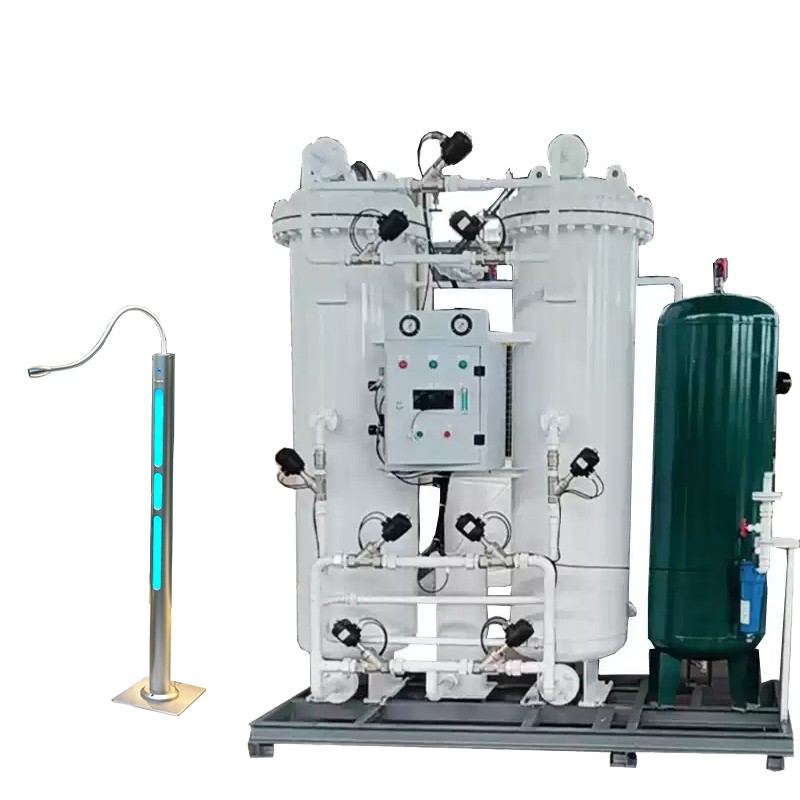
Table of Contents
- Why Do Beauty Salons Need an Oxygen Generation System?
- How Does the System Generate and Deliver Oxygen?
- What Are the Main Technical Features?
- How Do You Evaluate System Specifications?
- Which Beauty Salon Services Can Use the System?
- How Should a Salon Plan Installation?
- What Should Buyers Check Before Purchasing?
- Frequently Asked Questions
- How Can Muke Support Your Salon Project?
Why Do Beauty Salons Need an Oxygen Generation System?
Competition in the beauty industry increasingly depends on service quality, atmosphere, operational consistency, and customer experience. For premium salons, adding specialized equipment can help establish a recognizable service concept and provide a more distinctive setting for facials, relaxation sessions, and wellness-oriented treatments.
A Beauty Salon Oxygen Generation System is designed to produce concentrated oxygen and deliver it through dedicated terminals positioned near designated treatment areas. Unlike a small portable unit that serves one location, a centralized configuration can be planned around multiple rooms, subject to the generator's capacity and the installation design.
Potential business advantages include:
- A more distinctive service environment: Modern oxygen delivery columns can complement premium interior design and specialist treatment equipment.
- Flexible treatment layouts: Directional terminals can be positioned to suit different treatment beds and room configurations.
- Centralized equipment management: A separate equipment room keeps the main generator away from customer-facing spaces.
- Scalable service planning: Properly sized central equipment and piping may accommodate additional treatment stations as a salon expands.
- Stronger service differentiation: The equipment can become part of a carefully designed premium wellness offering.
These advantages relate to service delivery and facility design. They should not be interpreted as proof that oxygen exposure independently reverses aging, treats skin conditions, or improves medical outcomes.
How Does the System Generate and Deliver Oxygen?
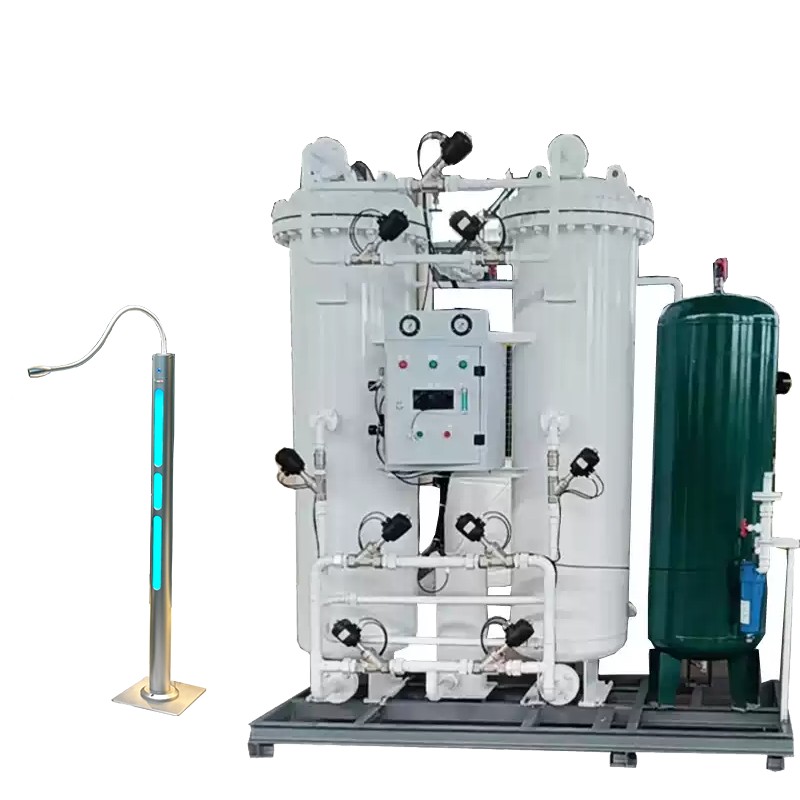
The Muke system uses zeolite molecular sieve (ZMS) pressure swing adsorption technology. PSA systems separate oxygen from components of ambient air through an adsorption process, allowing oxygen-enriched gas to be produced without relying exclusively on prefilled oxygen cylinders.
The overall process can be understood in three stages:
- Oxygen generation: The main unit processes incoming air through molecular sieve adsorption beds to produce oxygen-enriched output.
- Centralized distribution: The generated gas is routed through a purpose-designed oxygen piping network to the required treatment areas.
- Targeted delivery: Oxygen delivery columns provide an accessible terminal near the intended service location.
With a remote generator installation, the equipment room and treatment area serve different purposes. The equipment room houses the main unit, while the customer-facing room accommodates the delivery column and treatment furniture.
This arrangement can help reduce equipment noise in treatment rooms and create a cleaner visual layout. Actual performance depends on generator capacity, pipe diameter, line length, terminal demand, ventilation, and installation quality.
For buyers comparing configurations, Muke's Beauty Salon Oxygen Generation System provides a useful starting point for evaluating a centralized generator and directional delivery solution.
What Are the Main Technical Features?
1. Customizable Oxygen Output
The system's listed oxygen output starts at 3 L/min and can be configured for 50 L/min or higher, depending on project requirements. This flexibility allows buyers to discuss capacity according to the number of terminals, expected simultaneous usage, and future expansion plans.
2. High-Concentration Oxygen Output
The published oxygen concentration is 93% ± 3%. This is a technical output specification, not a guarantee of any particular skincare result. Buyers should confirm how purity is measured and whether the specified concentration is maintained at the required flow rate.
3. Directional Oxygen Delivery Columns
Floor-standing columns can provide a designated delivery point close to a treatment area. An adjustable gooseneck design can make it easier to position the outlet for different room arrangements. Final placement should follow the manufacturer's instructions and an appropriate safety assessment.
4. Remote Installation for a Quieter Treatment Area
Muke lists a treatment-area noise target of ≤35 dB(A) when the main generator is installed remotely. The actual noise level depends on the installation environment, distance, piping, and other operating conditions. Buyers should request clarification about the measurement method and operating load.
5. Monitoring and Centralized Control
The product page describes monitoring of oxygen purity, pressure, and flow, together with automated operation and alarms for conditions such as excessive pressure, overheating, and low purity. Confirm the available sensors, alarm functions, display options, and maintenance requirements for the configuration being quoted.
6. Multi-Room Expansion Potential
A central generator may supply multiple treatment rooms through a concealed piping network. However, adding outlets does not automatically guarantee adequate performance. The supplier should calculate total flow demand, pressure losses, and simultaneous usage before confirming how many terminals one system can support.
How Do You Evaluate System Specifications?
Technical specifications help salons compare equipment on a consistent basis. The following table summarizes the published information available for Muke's system and highlights additional details worth confirming during procurement.
| Specification | Published Information | What Buyers Should Confirm |
|---|---|---|
| Oxygen generation principle | ZMS pressure swing adsorption (PSA) | Operating cycle, service requirements, and maintenance schedule |
| Oxygen output | Customizable from 3 L/min to 50 L/min or higher | Required flow at the specified oxygen concentration |
| Oxygen concentration | 93% ± 3% | Measurement conditions and output under working load |
| Treatment-area noise | ≤35 dB(A) with remote generator installation | Distance, operating conditions, and measurement method |
| Installation | Dedicated equipment room and oxygen piping | Room requirements, pipe routing, terminal connections, and local codes |
| Expansion | Central supply can support a multi-room layout | Maximum terminal count and simultaneous flow demand |
For an accurate quotation, provide the supplier with a floor plan, the number of treatment rooms, the anticipated number of active terminals, and the preferred installation method. These details are more useful than selecting equipment based on output capacity alone.
Which Beauty Salon Services Can Use the System?
A centralized oxygen delivery setup can be incorporated into different salon service concepts when the equipment is appropriate for the intended use and operated according to its instructions.
Premium Facial Service Settings
A delivery column can be positioned near a facial treatment bed as part of a structured service environment. If oxygen is used alongside facial devices or skincare products, the salon should confirm compatibility and follow the instructions for each product. Oxygen delivery alone should not be advertised as a clinically proven anti-aging treatment.
Scalp and Hair Care Experiences
Salons offering specialized scalp care may explore an oxygen delivery station as an optional part of their service design. Claims about stimulating hair growth, treating scalp disorders, or restoring follicles require appropriate evidence and authorization.
Relaxation and Spa Treatments
For spa and relaxation rooms, a well-designed terminal and remotely installed generator can contribute to a more organized equipment layout. Lighting, sound control, room ventilation, and staff service procedures remain important elements of the overall client experience.
Multi-Room Premium Wellness Facilities
Businesses with several treatment rooms may benefit from a centralized architecture when the required flow, pipe network, and operating schedule have been properly assessed. Separate terminals can help organize services, but each room's actual oxygen delivery must be validated during commissioning.
Oxygen-enriched gas can increase fire risk because oxygen supports combustion. The salon must follow applicable oxygen-system safety requirements, keep oils and grease away from oxygen equipment, and prevent smoking, flames, and other ignition sources near oxygen outlets. Staff should never use the equipment to diagnose or treat a medical condition without the appropriate regulatory authorization and clinical oversight.
How Should a Salon Plan Installation?
Successful installation begins before equipment delivery. A project assessment helps determine whether the available space, electrical supply, ventilation, and piping arrangement are suitable for the planned system.
- Assess the premises: Identify the number of treatment rooms, available utility space, and the locations of potential delivery columns.
- Calculate demand: Estimate the required oxygen flow based on intended usage and the number of terminals expected to operate simultaneously.
- Design the piping: Plan suitable routing, connections, isolation arrangements, and accessibility for inspection and maintenance.
- Prepare the equipment room: Provide appropriate ventilation, a dry environment, sufficient clearance, and electrical services in accordance with the manufacturer's requirements.
- Install and commission: Have qualified personnel check the piping, connections, output purity, flow, alarms, and other specified operating parameters.
- Train salon staff: Establish operating procedures, cleaning instructions, inspection routines, and emergency response measures.
For projects involving concealed piping, coordinate the oxygen system with interior design and construction work early. This can reduce unnecessary modifications after treatment rooms have been finished.
What Should Buyers Check Before Purchasing?
Choosing a Beauty Salon Oxygen Generation System requires a review of both technical suitability and long-term operating support. A low initial purchase price may not represent the best overall value if the system is difficult to maintain or cannot meet peak demand.
Use the following checklist when comparing proposals:
- Capacity: Does the proposed generator meet the required flow at the specified oxygen concentration?
- Configuration: Are the generator, piping, delivery columns, and control components included in the quotation?
- Safety: Are oxygen-compatible components, alarms, installation procedures, and fire-risk controls clearly documented?
- Noise: Is the quoted noise level supported by defined measurement conditions?
- Maintenance: What are the recommended inspection intervals, consumable replacement requirements, and service procedures?
- Customization: Can the supplier adapt output capacity, terminal placement, and piping design to the actual floor plan?
- Documentation: Are operating manuals, technical specifications, applicable conformity documents, and warranty terms available?
- After-sales service: What installation assistance, remote troubleshooting, spare parts, and response times are provided?
Muke's product information describes OEM/ODM customization, installation supervision, a two-year comprehensive warranty, and remote technical support. Buyers should confirm the precise scope, exclusions, response commitments, and delivery terms in their individual contract.
Frequently Asked Questions
1. What is a Beauty Salon Oxygen Generation System?
It is an equipment setup that generates oxygen-enriched gas and delivers it to designated areas through outlets or delivery columns. Depending on the design, the system may use a centralized generator and dedicated piping to serve multiple treatment rooms.
2. What oxygen concentration does the Muke system provide?
Muke lists an oxygen concentration of 93% ± 3%. Buyers should confirm the measurement conditions and the relationship between oxygen purity and flow rate for the specific model being purchased.
3. Can one generator supply multiple treatment rooms?
Yes, a suitably sized centralized system can be designed for multiple rooms. The number of supported terminals depends on total flow demand, piping resistance, operating pressure, and how many outlets are used simultaneously.
4. Is the system noisy during salon treatments?
Muke lists a treatment-area noise target of ≤35 dB(A) when the main generator is installed in a separate equipment room. Actual results depend on the installation and operating conditions, so buyers should confirm the test method and site requirements.
5. Does oxygen delivery guarantee better skin or anti-aging results?
No. Equipment specifications do not establish clinical effectiveness. Results depend on the treatment, the person receiving it, and the supporting evidence. Salons should avoid unsupported medical or cosmetic claims and follow applicable professional and advertising regulations.
6. What information is needed for a quotation?
Prepare the salon floor plan, number of treatment rooms, expected simultaneous terminal usage, desired oxygen output, installation location, and project destination. These details help the supplier recommend a suitable configuration and estimate installation requirements.
7. What safety precautions are important?
Oxygen-enriched environments increase combustion risk. Keep ignition sources away from oxygen equipment, never apply oil or grease to oxygen components, maintain suitable ventilation, and follow the manufacturer's operating instructions and local safety requirements. Do not use the system as a substitute for medical assessment or prescribed oxygen therapy.
How Can Muke Support Your Salon Project?
A well-planned oxygen generation installation can help beauty salons organize specialized treatment spaces, create a more distinctive service environment, and prepare for future expansion. The right solution depends on verified technical specifications, realistic demand calculations, appropriate installation, and consistent safety procedures.
Muke provides customizable oxygen generation solutions with centralized equipment and directional delivery options for beauty and wellness facilities. If you are planning a new salon, upgrading an existing treatment area, or sourcing equipment for multiple locations, review the Beauty Salon Oxygen Generation System and share your project requirements with the team. Contact us to discuss output capacity, delivery column configuration, installation planning, OEM/ODM options, and a quotation tailored to your salon's needs.
Previous :
-
Related News
- How Does a Liquid Nitrogen Cryo Chamber Improve Modern Cold Therapy Experiences?
- How Does a 1 HP Ice Bath Chiller Improve Cold Therapy Performance?
- How Does a Micro-Hyperbaric Oxygen Chamber Improve Modern Oxygen Therapy Experiences?
- What Applications Are Driving Demand for High-Purity Oxygen Concentrators?
- How Ice Bath Machines Support Athletic Recovery After Intense Training?
- How Does a Sauna Room Improve Wellness and Create a Better Relaxation Experience?
Leave me a message