
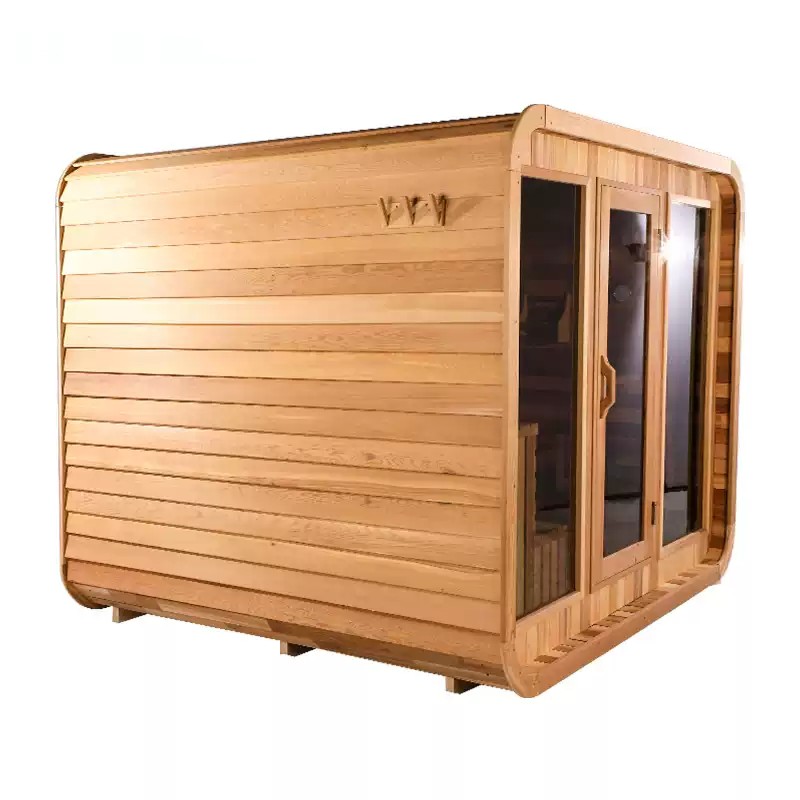
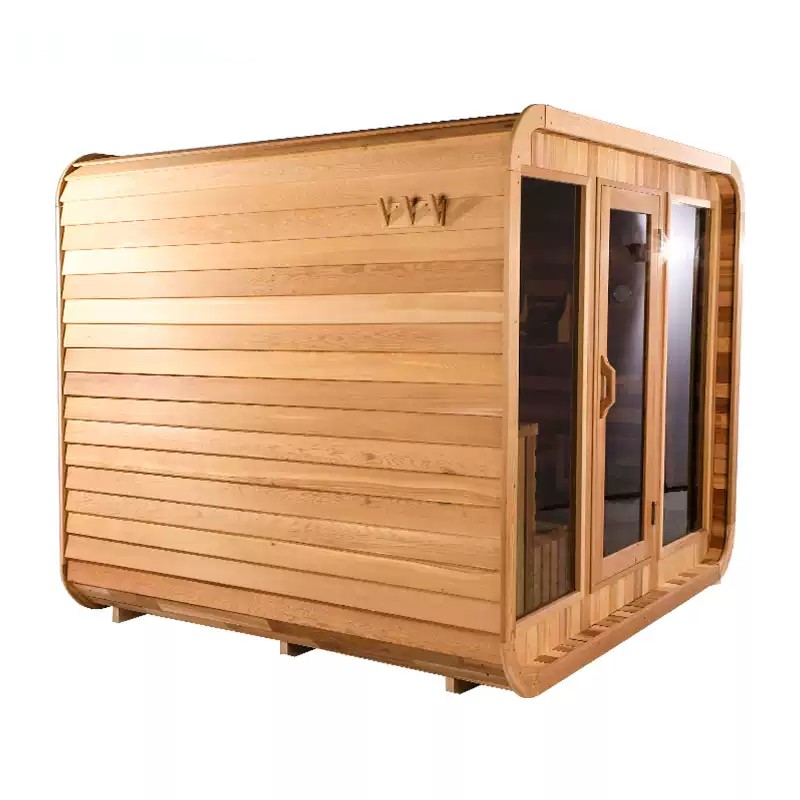
Cozy 2 Person Sauna Room For Home Dual-User Sauna And Relaxation
The 2 Person Sauna Room uses dry or steam heat to raise core body temperature, triggering vasodilation and sweating. These responses support circulation and muscle relaxation, making the sauna a practical fixture in homes, gyms, and beauty salons. The cabin carries CE and FDA certifications, and all heating elements are factory‑tested under full load before shipment.
Heating Options and Warm‑Up Time
Far‑infrared models warm the body directly through carbon panels. The air stays dry, with a typical operating range of 40–60 °C reached in 15–20 minutes.
Volcanic stone models use an electric stove loaded with rocks. Pouring water over the heated stones produces bursts of steam and raises humidity. The cabin and stones reach 80–95 °C in roughly 30–45 minutes.
Hybrid models include both heating systems, letting users switch between dry infrared warmth and high‑humidity steam depending on preference.
Placement and Assembly
The modular panels are packed to fit through standard doorways and elevators. Two people can assemble the cabin with basic tools in 1–2 hours. Far‑infrared models require no water connection; steam models need only that the door be left ajar after use for ventilation. The cabin sits on a level floor and connects to a nearby outlet.
Pairing with Other Equipment
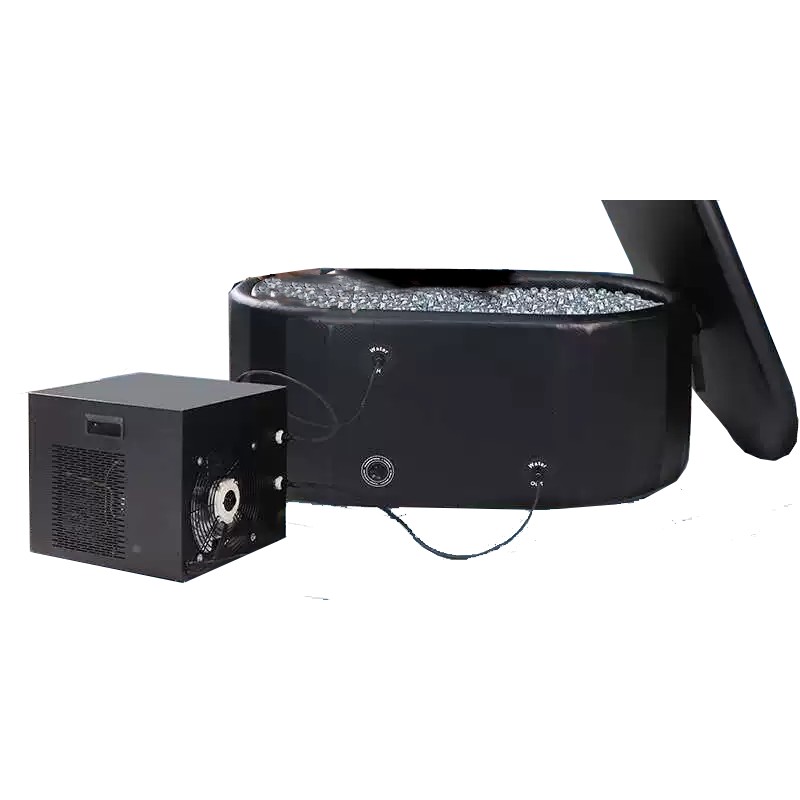
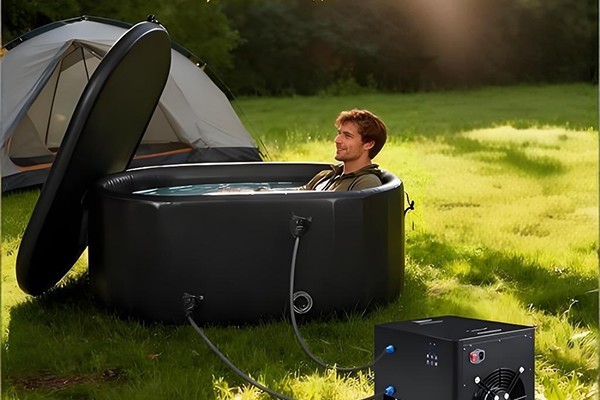
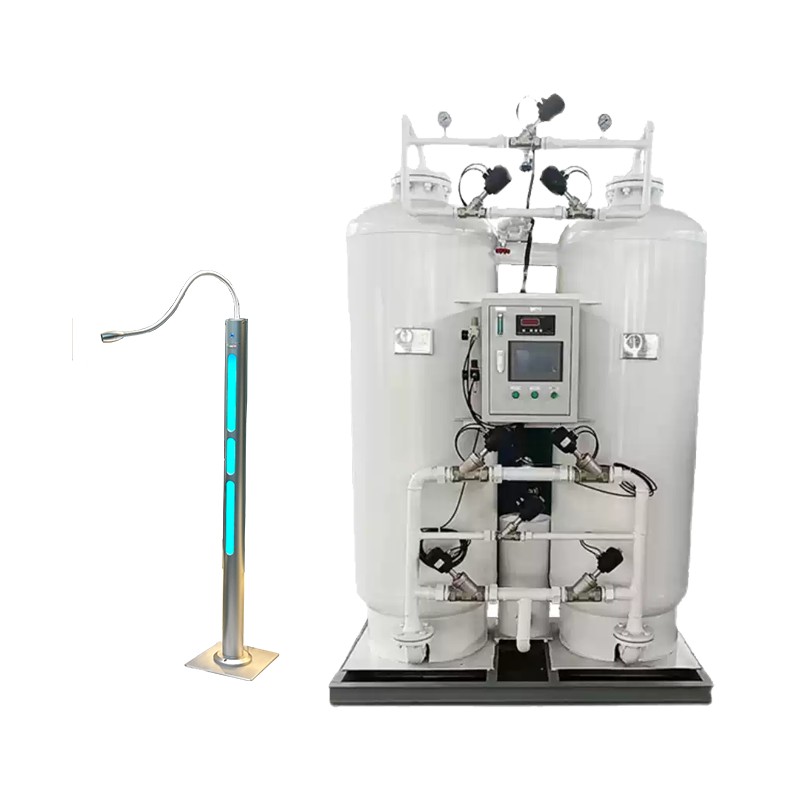
In home and studio setups, the two‑person sauna is often combined with a 0.5 HP ice bath unit for contrast therapy — moving from hot to cold strengthens the vasoconstriction‑vasodilation cycle. A two‑person mild hyperbaric oxygen chamber can be used after a sauna session to extend recovery with pressurized oxygen. For facilities that also offer whole‑body cold exposure, an electric cryotherapy chamber or liquid nitrogen cryochamber provides a dry alternative, usually scheduled in a separate session.
Certifications and Safety
The cabin holds CE and FDA certifications. Electrical components and heating cores are tested at full power before leaving the factory. An adjustable thermostat, overheat protection, and tempered‑glass door with a safety‑release mechanism are built in as standard.
Frequently Asked Questions
How often should the sauna be cleaned?
Wipe the bench with a damp cloth after each use and leave the door open for 20–30 minutes to air out the interior. The timber is kiln‑dried and naturally resists moisture — no oils or chemical treatments are required.

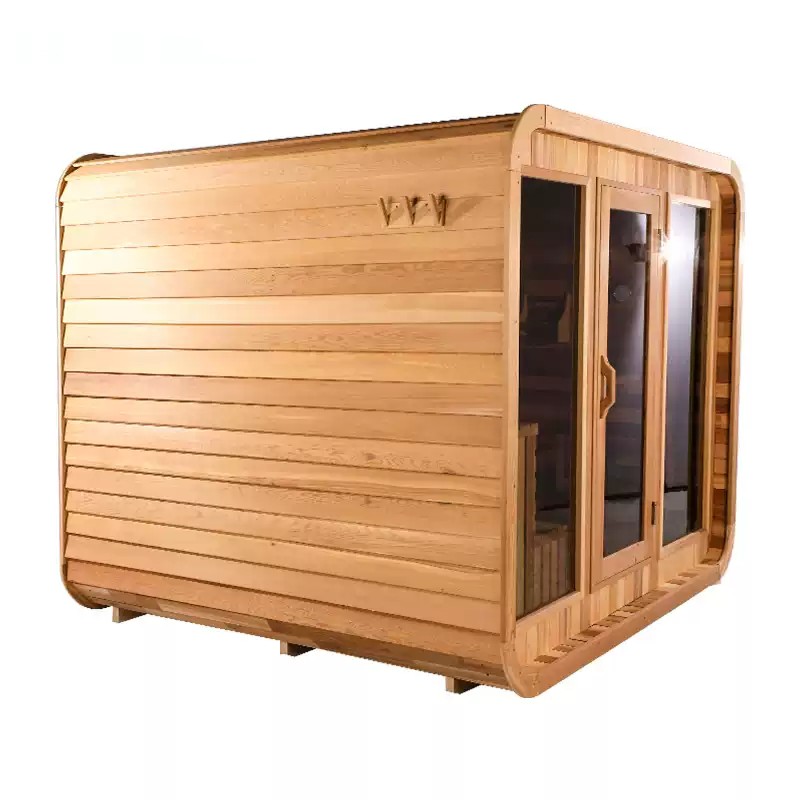
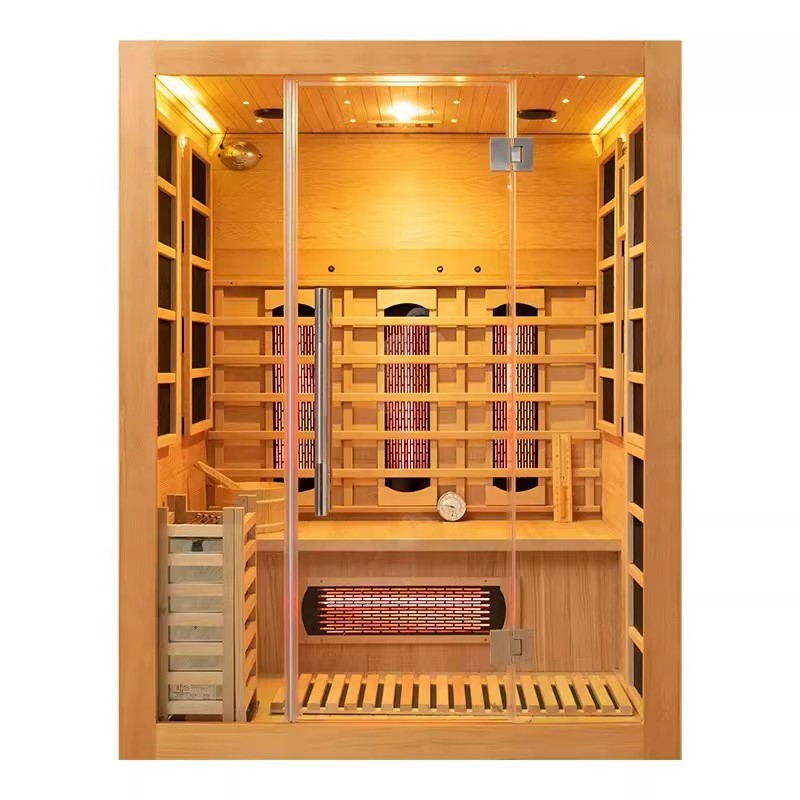
- View as
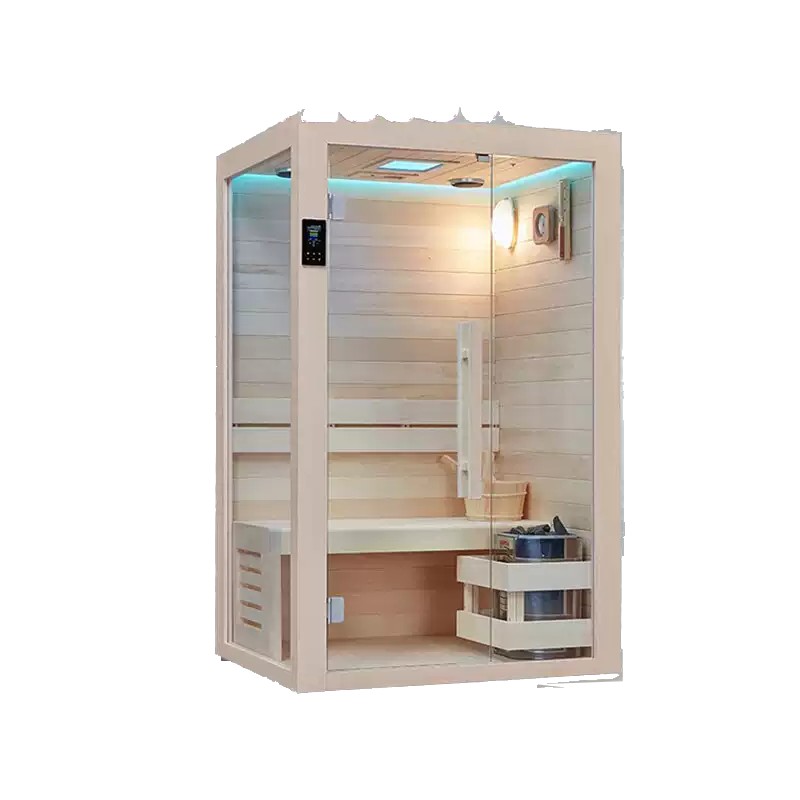
Two-Person Wet and Dry Sauna
Muke Intelligent has launched a brand-new, custom-designed Two-Person Wet and Dry Sauna that seamlessly integrates dry and wet steam capabilities, making it ideal for homes, gyms, beauty salons, and other venues. Crafted from premium Canadian wood and featuring Low-EMF far-infrared technology, the unit supports OEM and ODM services, allowing you to enjoy deep detoxification and a comprehensive spa experience in the comfort of your own space.
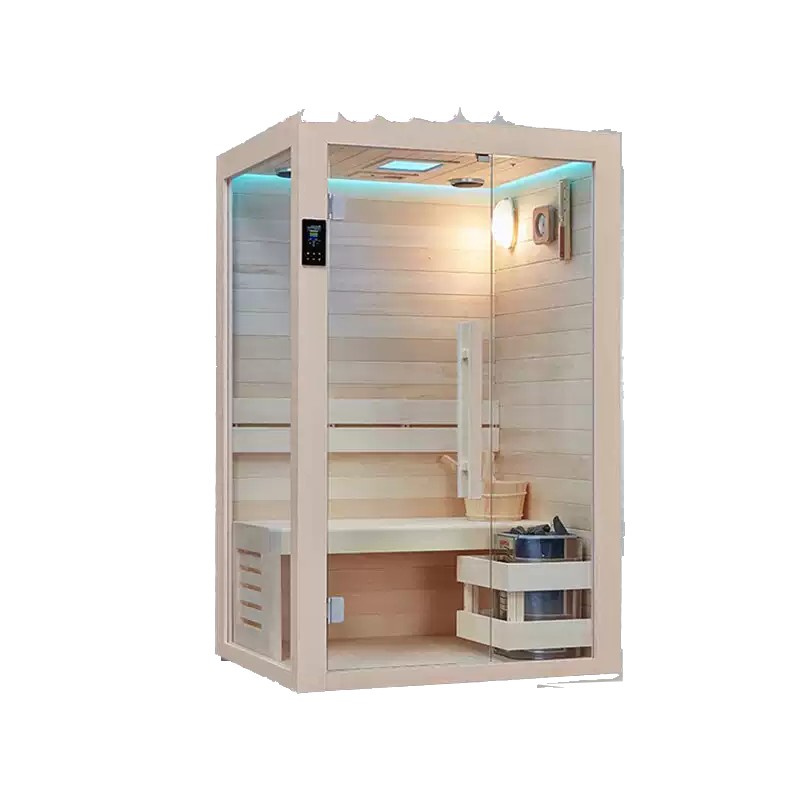
Two-Person Volcanic Stone Sauna
Muke Intelligent has crafted an all-new, custom-designed Two-Person Volcanic Stone Sauna that redefines the compact luxury spa experience by centering its design around volcanic stone. Tailored for two and suitable for homes, gyms, and beauty salons, this sauna combines Low-EMF far-infrared technology with premium Canadian timber. It is engineered to deliver deep purification and a full-spectrum spa experience, allowing you to enjoy ultimate comfort in the convenience of your own space. OEM and ODM customization services are available.
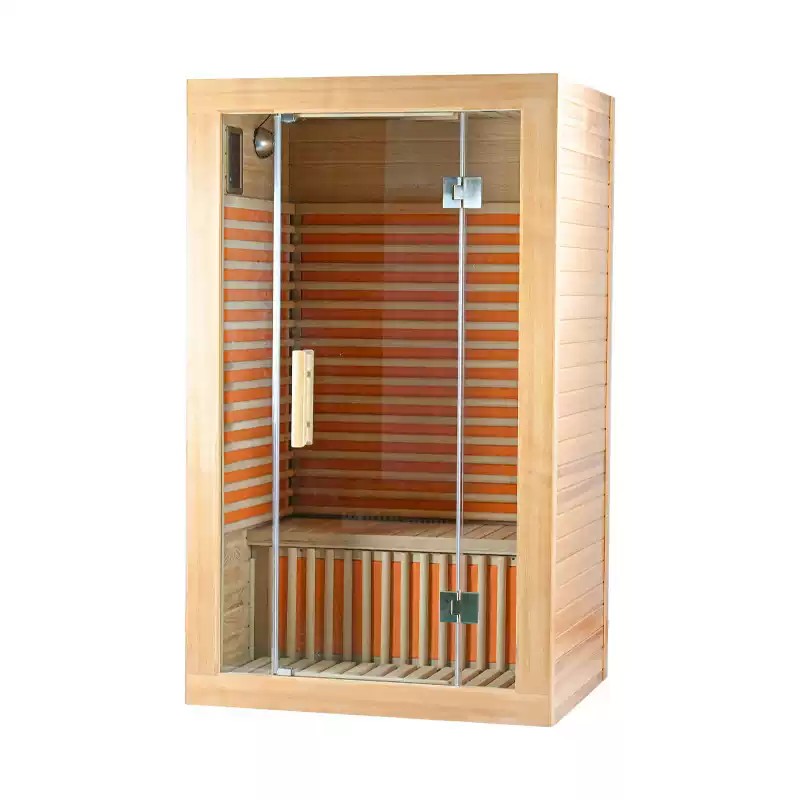
Two-Person Far-Infrared Sauna
Muke Intelligent has launched a new Two-Person Far-Infrared Sauna designed for compact spaces, bringing the full-spectrum infrared wellness experience to a wider range of settings. Suitable for homes, gyms, and beauty salons alike, each unit combines Low-EMF far-infrared heating technology with premium Canadian wood, allowing users to enjoy deep detoxification and a comprehensive spa-like experience in the comfort of their own space. The company also offers full OEM and ODM support services.
Looking for reliable 2 Person Sauna Room? Muke Technology offers wholesale & custom solutions, fast delivery, durable quality. Get a quote now!