
Low-Temperature Cryotherapy Chamber For Whole-Body Cryotherapy And Muscle Soreness Relief
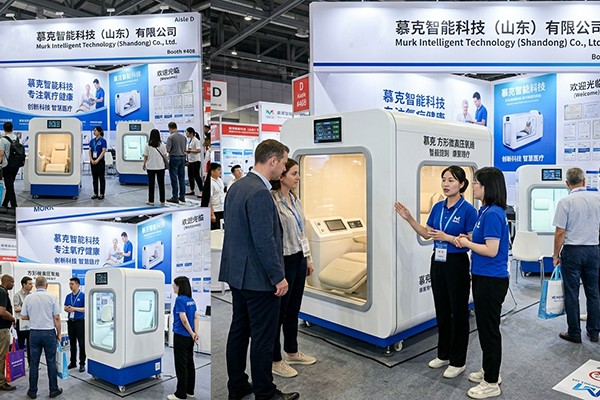
Muke Intelligent Technology (Shandong) Co., Ltd. produces cryotherapy chambers in two distinct formats: liquid nitrogen models and electrically powered models. Both are used for whole‑body cold exposure, typically at temperatures between ‑110 °C and ‑180 °C, in athletic recovery, physiotherapy, and wellness settings.
Two Cooling Technologies
Liquid nitrogen chambers use the controlled vaporisation of liquid nitrogen to create a dry, ultra‑cold environment. Temperature drops within seconds, and the cold intensity can be adjusted by regulating the nitrogen flow. These units require a supply of liquid nitrogen and are typically chosen by high‑throughput facilities where rapid session turnaround is a priority.
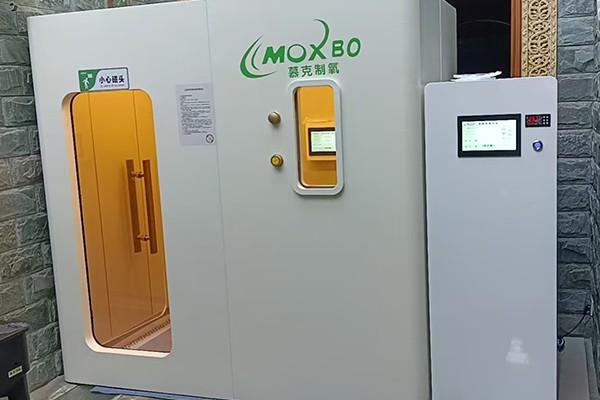
Electric cryotherapy chambers rely on a sealed refrigeration system, using mixed‑gas compressor technology to reach comparable low temperatures without an external gas supply. They are fully electric, which simplifies installation and removes the need to handle or store liquid nitrogen. These models suit clinics and wellness centres that prefer a self‑contained, low‑hazard setup.
Both formats include multi‑point temperature monitoring, emergency stop controls, and automated session timing. The interior cabin is designed to keep the user's head above the cold zone, and the door can be opened from the inside at any time.
Commonly Used Alongside
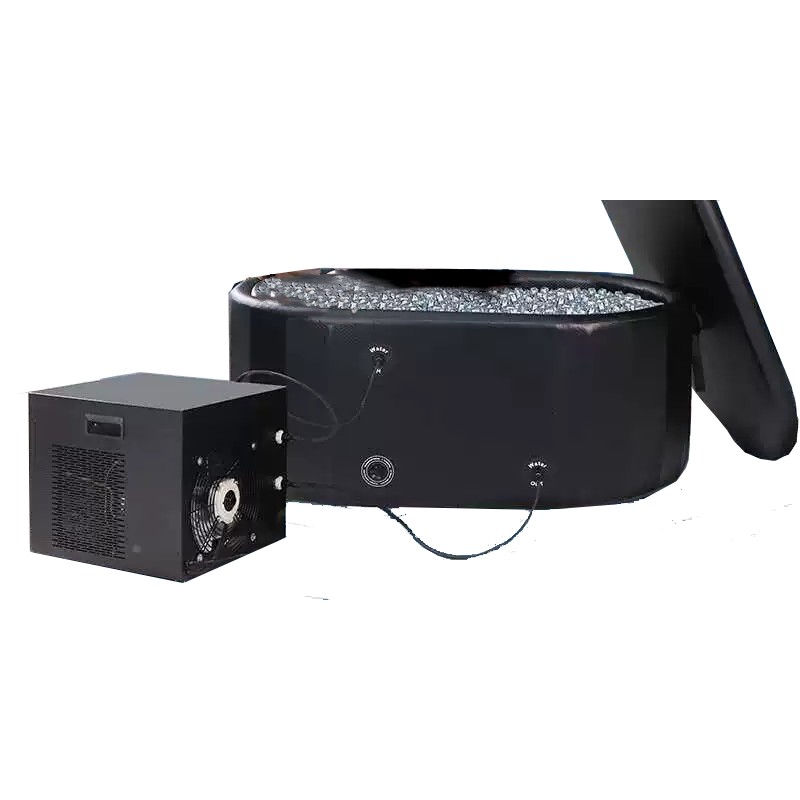
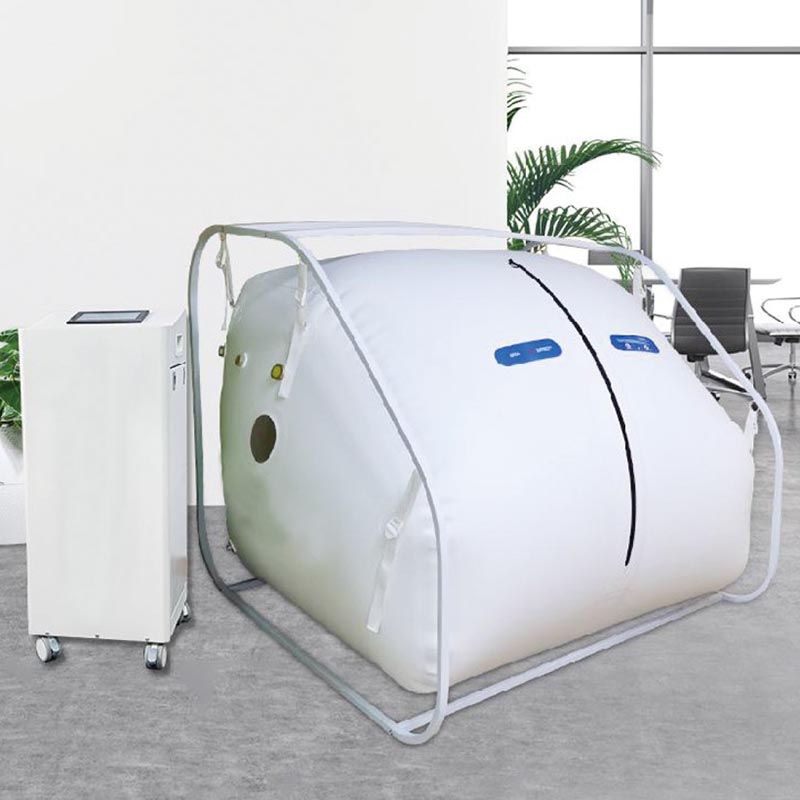
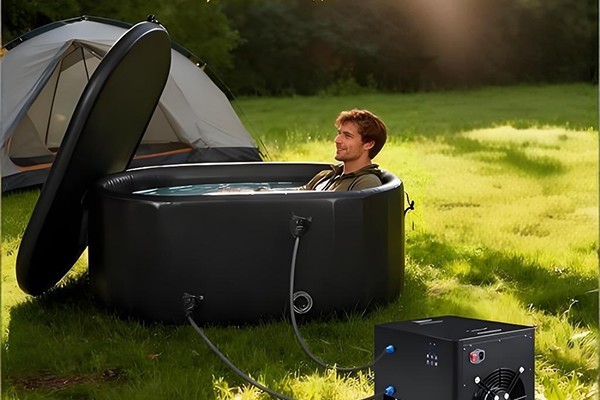
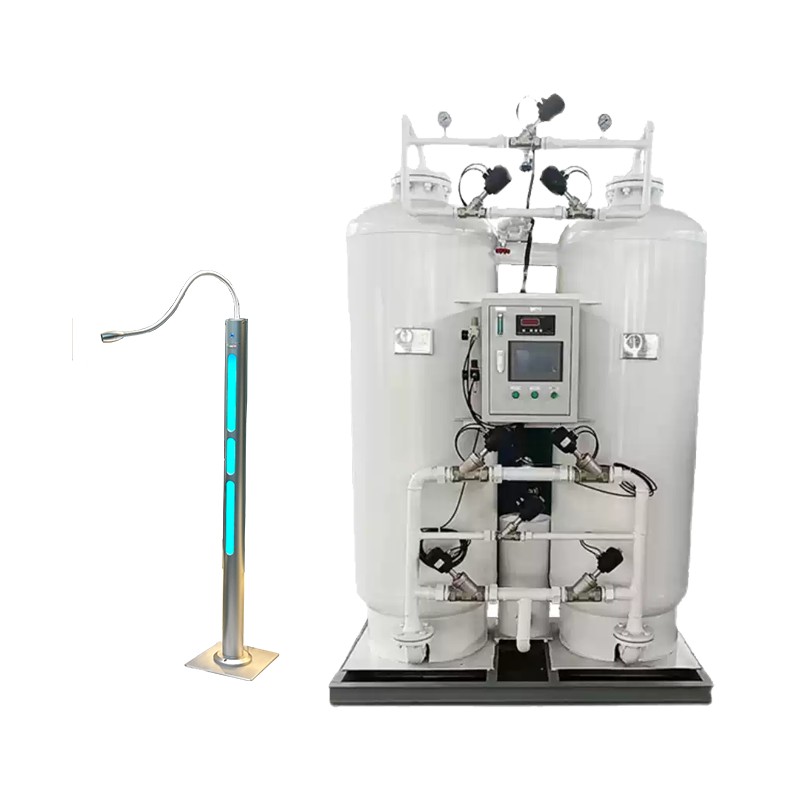
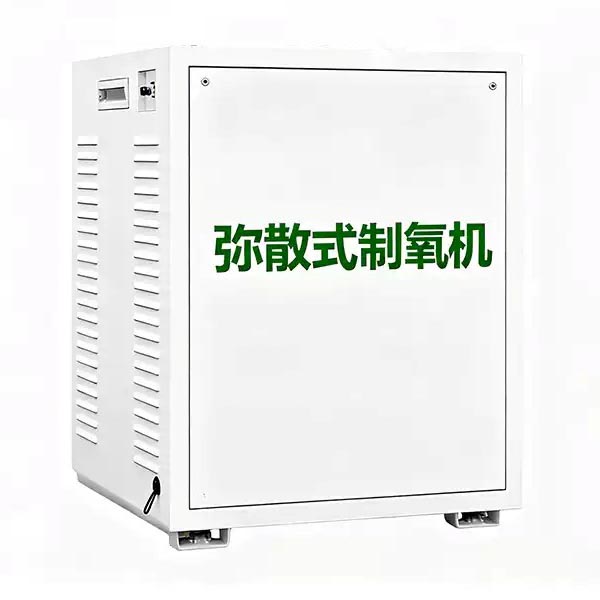
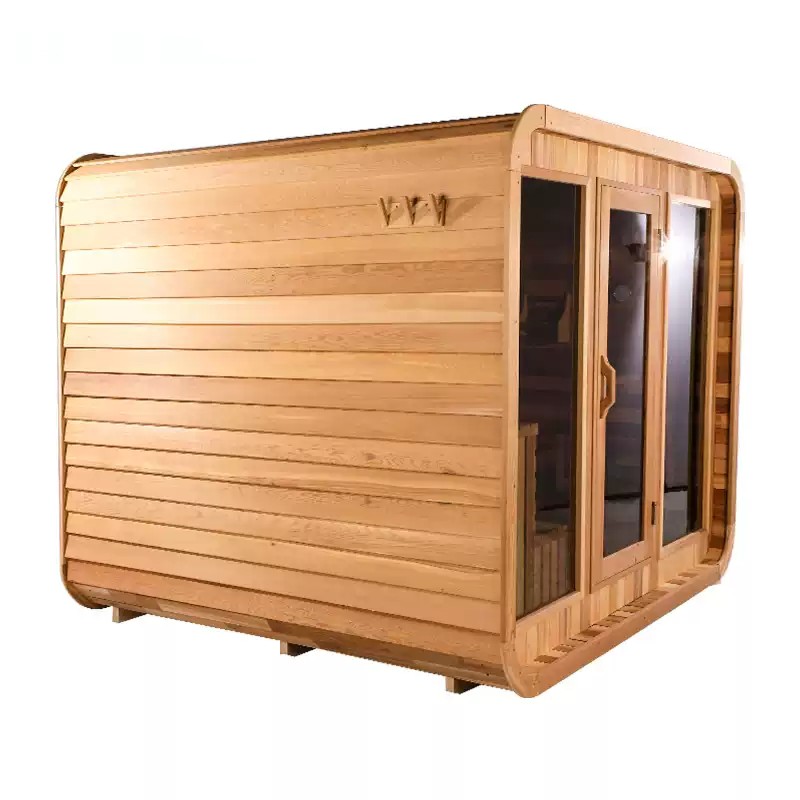
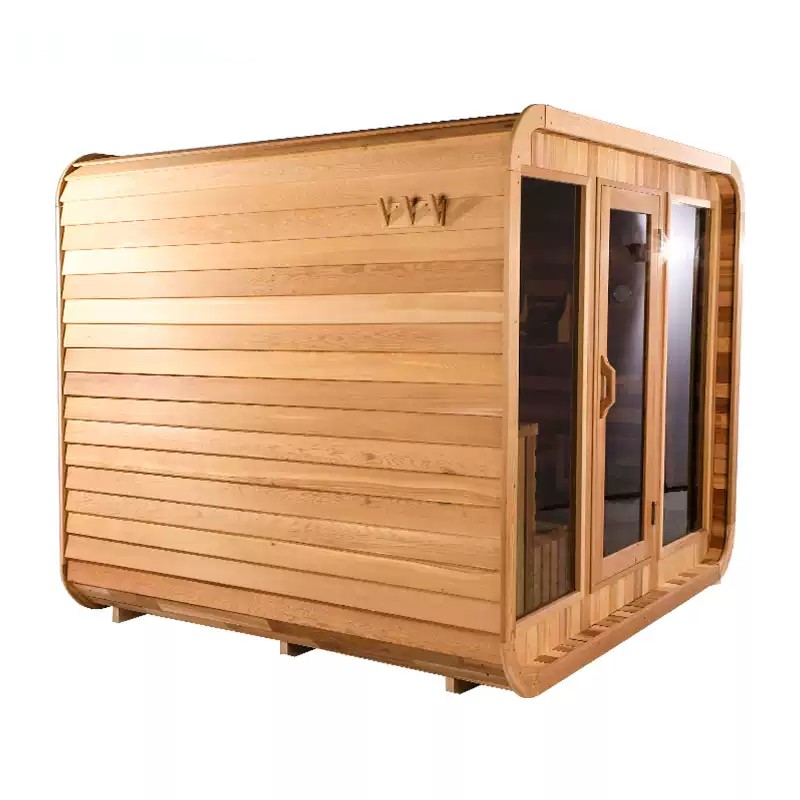
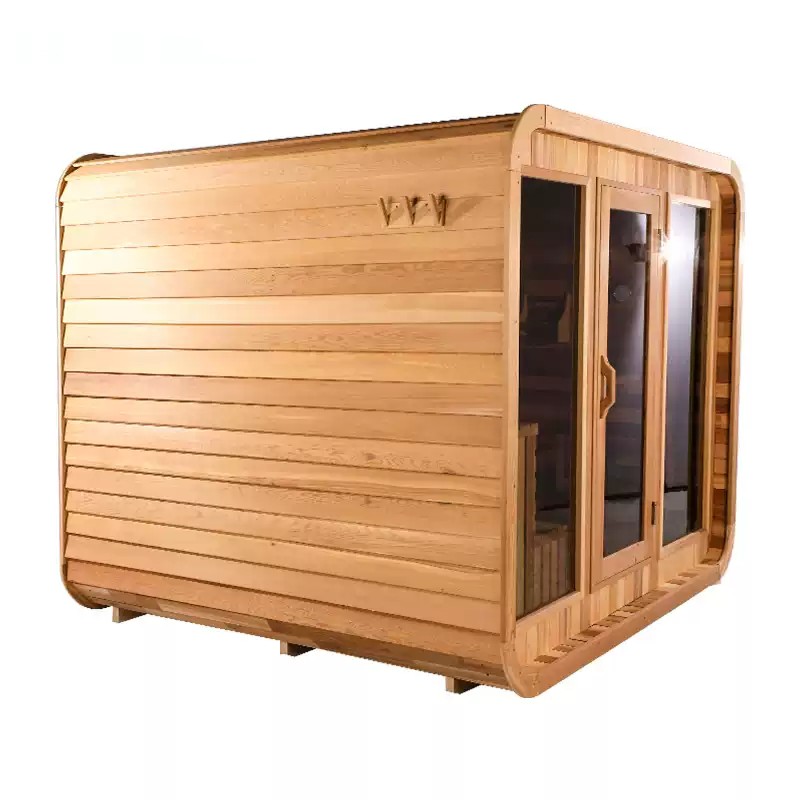
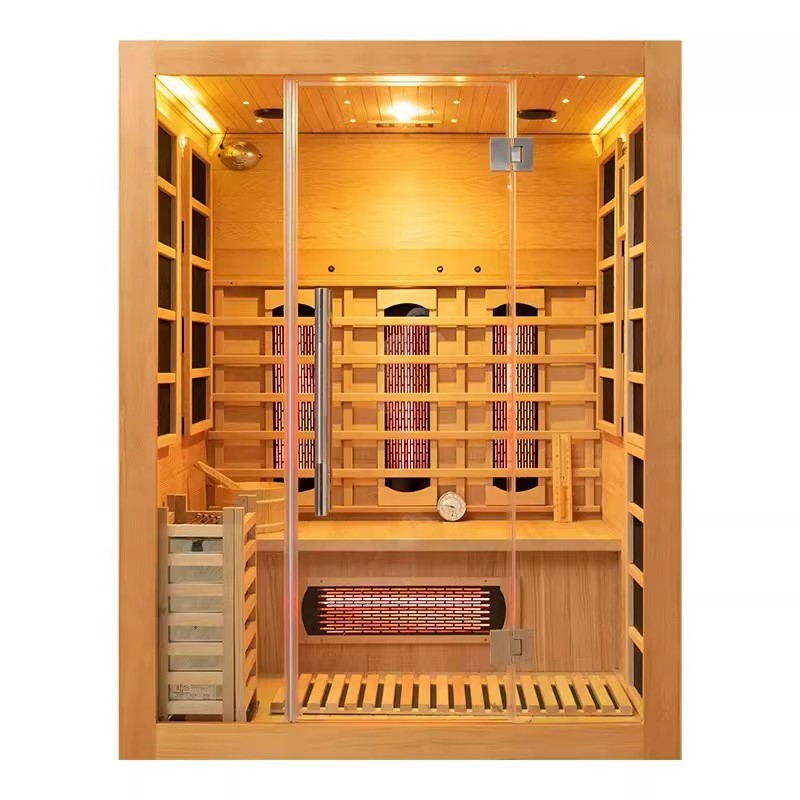
Cryotherapy chambers are frequently installed together with ice bath machines and sauna rooms to support contrast therapy protocols — for example, alternating cold exposure with heat from a traditional sauna or far‑infrared cabin. Mild hyperbaric oxygen chambers are also used in the same facilities to extend recovery sessions.
Frequently Asked Questions
How long does a session last?
A typical whole‑body cryotherapy session lasts between 1.5 and 3 minutes. The duration is pre‑set and monitored by the control system to prevent overexposure.
Is the cold dangerous?
The air inside the chamber is dry, which reduces the risk of frostbite compared to wet cold. The session is brief, and the operator can stop the cycle at any time. Pre‑session checks, including dry skin and appropriate clothing, further reduce risk.
- View as
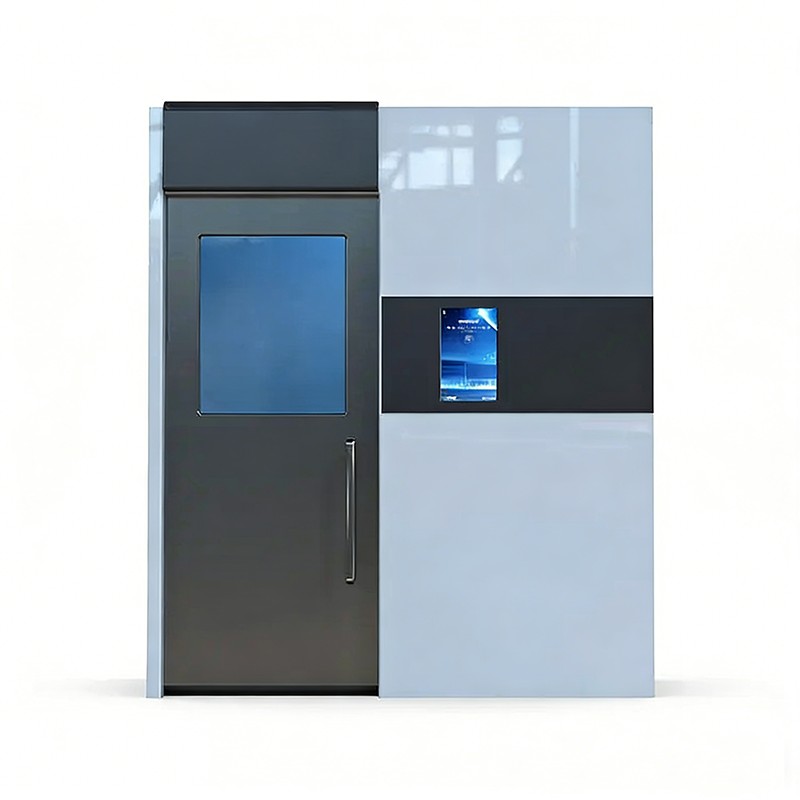
Electric Cryotherapy Chamber
The Muke Intelligent Electric Cryotherapy Chamber utilizes cutting-edge electric refrigeration technology and holds both CE and FDA certifications. Capable of rapidly reaching temperatures between -130°C and -180°C, it swiftly activates the body's physiological functions and restores physical vitality. Please contact us for further details and a price quote.
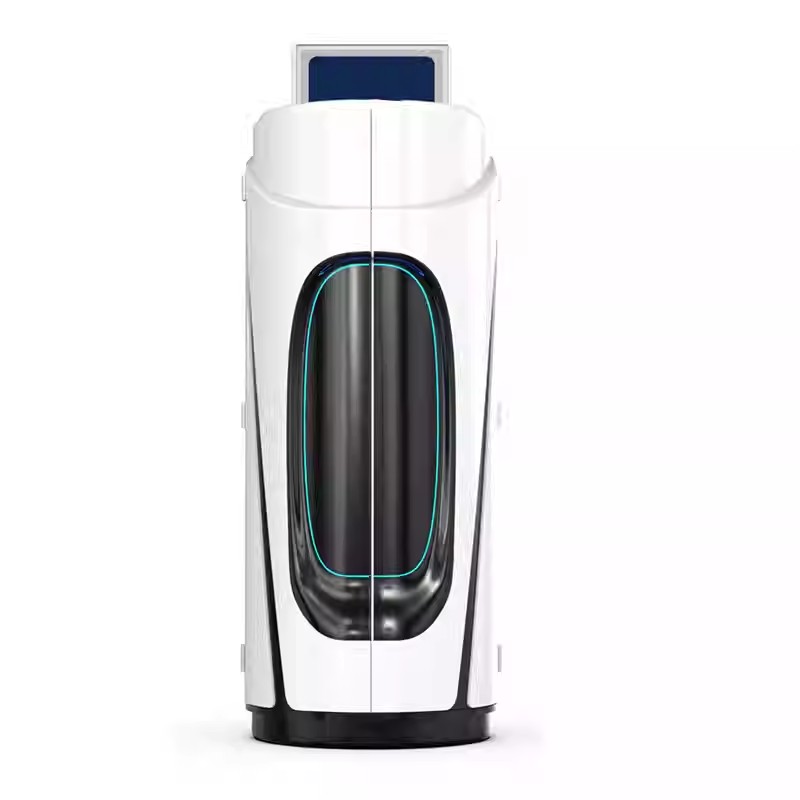
Stationary Liquid Nitrogen Cryotherapy Chamber
The Muke Intelligent Liquid Stationary Liquid Nitrogen Cryotherapy Chamber utilizes liquid nitrogen for cooling, featuring an ultra-fast 30-second pre-cooling cycle and a maximum cooling capacity of -180°C. It offers benefits such as rapid muscle injury recovery, athletic performance restoration, and aesthetic slimming, making it suitable for use in gyms, medical aesthetics centers, sports recovery facilities, and private homes.
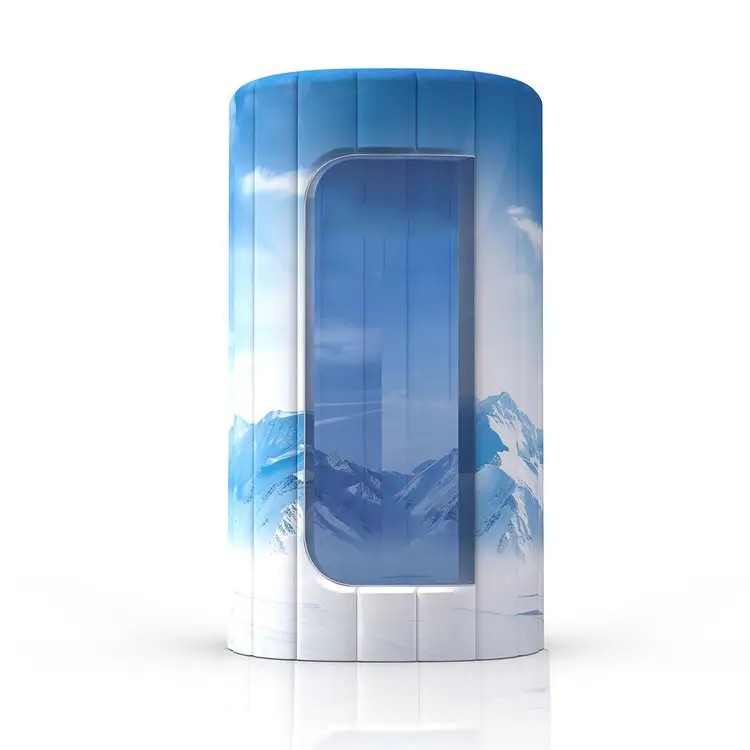
Portable Liquid Nitrogen Cryotherapy Chamber
Featuring dual CE and FDA certification, the Muke Intelligent Portable Liquid Nitrogen Cryotherapy Chamber delivers a -180°C cryotherapy session wherever you need it. Lightweight at just 10 kg and occupying only 2 cubic meters when inflated, its compact, portable design sets it apart. Reach out to us for full specifications and a custom price quote.
Looking for reliable Cryotherapy Chamber? Muke Technology offers wholesale & custom solutions, fast delivery, durable quality. Get a quote now!