
Ultra-Low Temperature Liquid Nitrogen Cryo chamber For Professional Cryotherapy Treatment
A Liquid Nitrogen Cryo chamber exposes the body to ultra‑low temperatures, typically ranging from ‑110 °C to ‑170 °C, for a short duration of two to three minutes. The rapid drop in skin temperature triggers a systemic cold shock response: peripheral vasoconstriction, a surge in heart rate, and activation of the sympathetic nervous system. This acute stressor initiates a cascade of physiological adaptations that, over repeated sessions, can contribute to reduced inflammation, pain modulation, and faster restoration of physical function.
Physiological Effects and Recovery
Anti‑inflammatory Action: The extreme cold constricts blood vessels and slows metabolic activity in superficial tissues, which helps limit the production of pro‑inflammatory cytokines after intense exercise or injury.
Pain Relief: Cryotherapy temporarily reduces nerve conduction velocity and numbs sensory receptors, providing an analgesic effect that can last several hours.
Nervous System Regulation: The parasympathetic rebound following cold exposure promotes a shift toward relaxation, often described as a “reset” feeling and improved mood.
Physical Recovery: By reducing muscle soreness and perceived fatigue, whole‑body cryotherapy enables athletes and active individuals to return to training sooner.
Comparison with Electric Cryotherapy Chambers
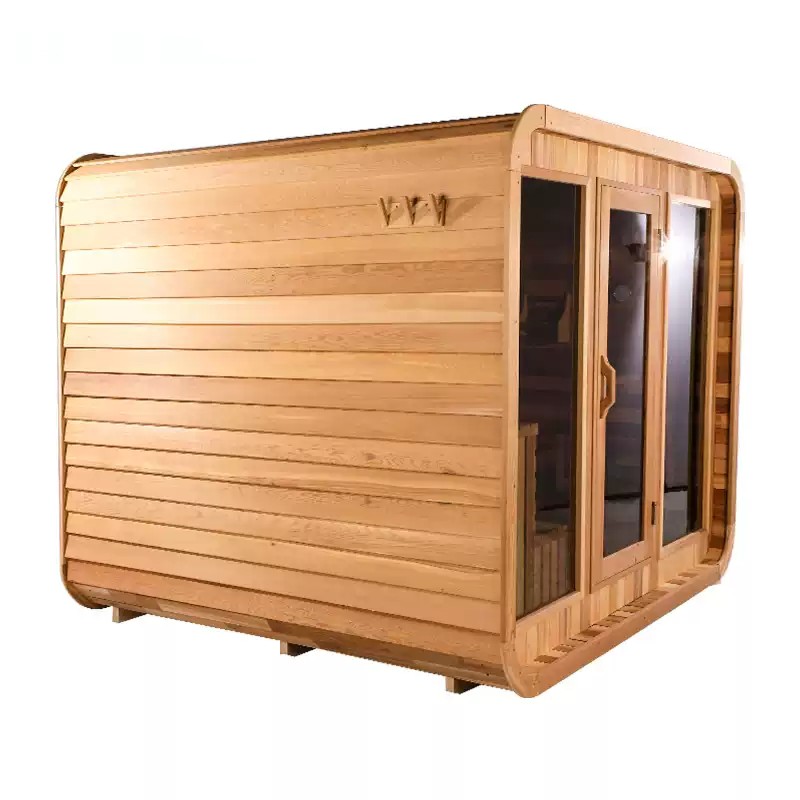
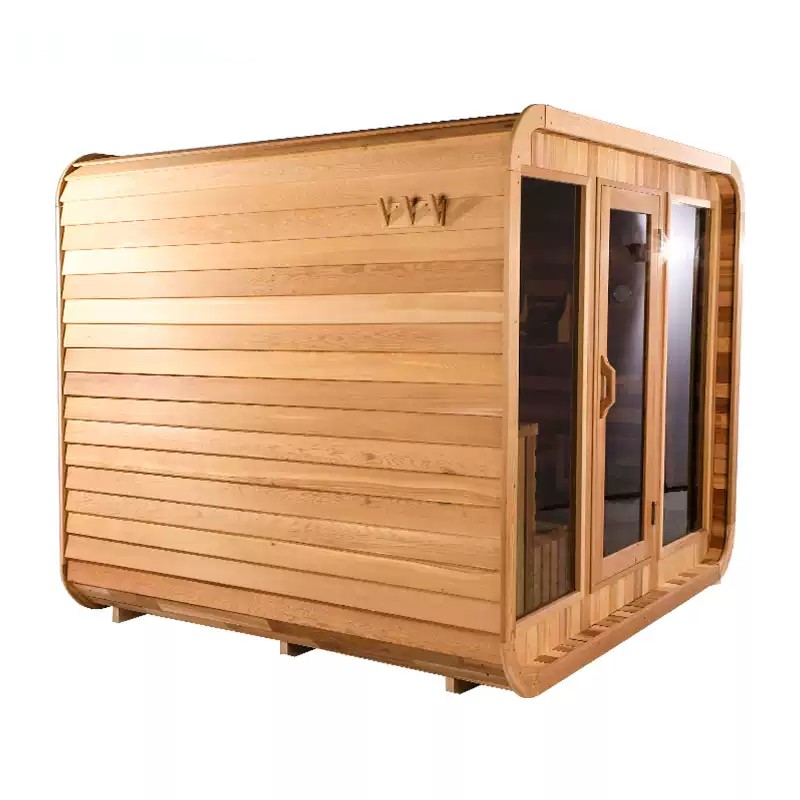
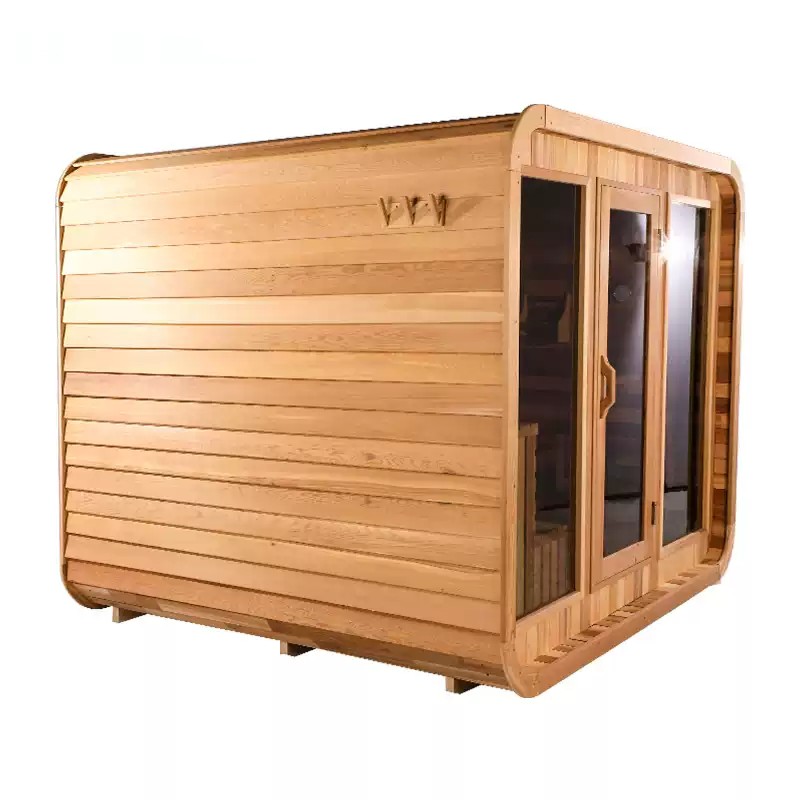
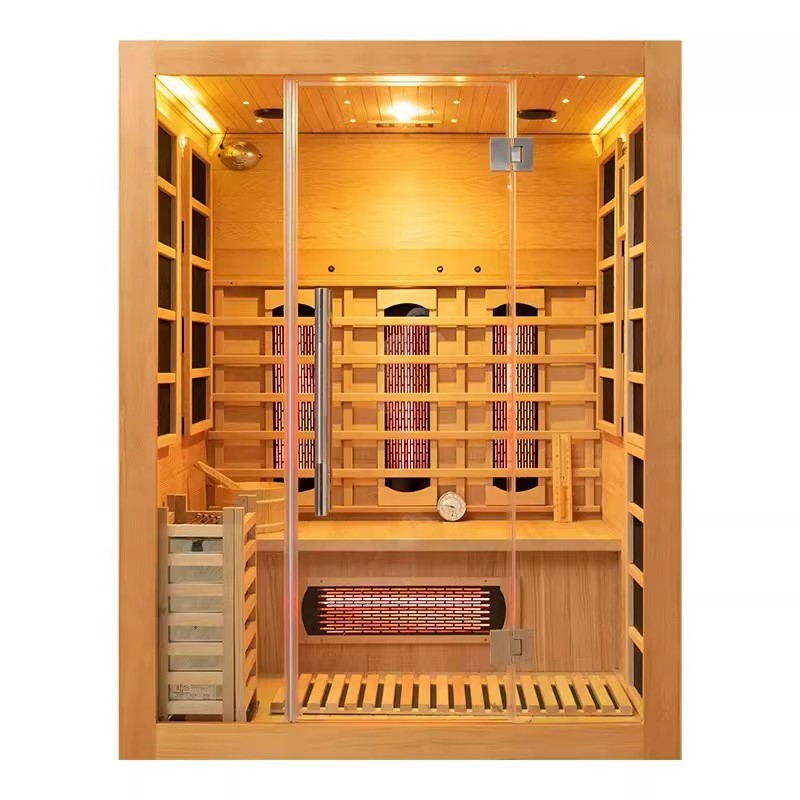
Unlike electric cryotherapy chambers that cool the air via refrigeration, a liquid nitrogen system vaporises liquid nitrogen to achieve target temperatures more rapidly and with greater cooling intensity. The nitrogen vapour is dry, so the cold is perceived as less penetrating and more tolerable than the wet cold of an ice bath machine, while still delivering a powerful physiological stimulus. For facilities already equipped with a sauna room, the combination of heat‑cold contrast therapy can further enhance circulatory benefits. In wellness centres offering multi‑modal recovery, the cryotherapy chamber is often placed alongside a micro‑hyperbaric oxygen chamber to cover both cold and hyperoxic interventions.
Certifications and Operational Safety
Our liquid nitrogen cryotherapy chambers carry CE and FDA certifications, confirming conformity with relevant health, safety, and electromagnetic compatibility standards. The cabin is designed with built‑in oxygen sensors and automatic nitrogen shut‑off if ambient O₂ levels deviate from safe limits. Operators are trained to monitor session duration and user response, and the chamber can be stopped immediately by the occupant or supervising staff.
Frequently Asked Questions
How long is a typical liquid nitrogen cryotherapy session?
Sessions are limited to 2–3 minutes to avoid frostbite or excessive cooling of the extremities. The duration is strictly controlled by trained staff using a timer and continuous visual monitoring.
Is liquid nitrogen cryotherapy suitable for everyone?
It is contraindicated for individuals with uncontrolled hypertension, cardiovascular disease, cold allergy, Raynaud’s syndrome, or pregnancy. A pre‑session health questionnaire and consultation are recommended to rule out risk factors.
How does it compare to an ice bath or electric cryotherapy?
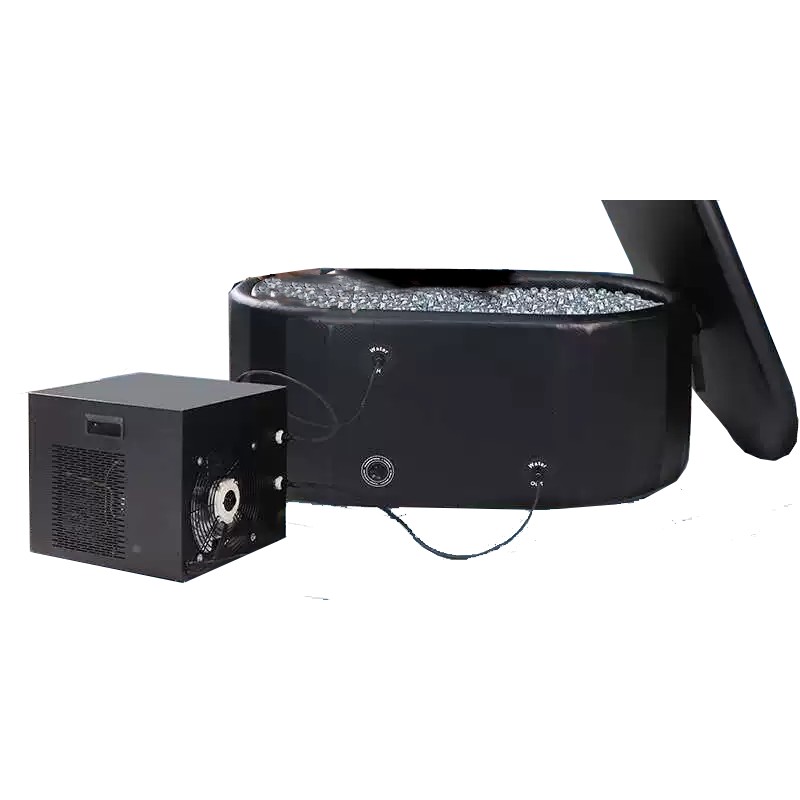
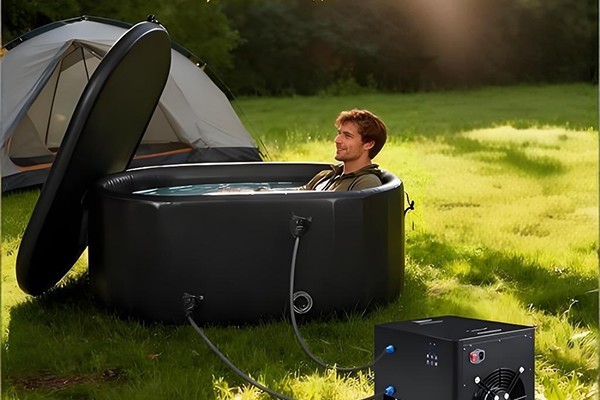
A liquid nitrogen chamber reaches lower temperatures faster and the dry vapour feels less harsh than wet ice water. An electric cryotherapy chamber offers a gentler cold gradient and is sometimes preferred for first‑time users, while an ice bath adds hydrostatic pressure and is more accessible for home use.
- View as
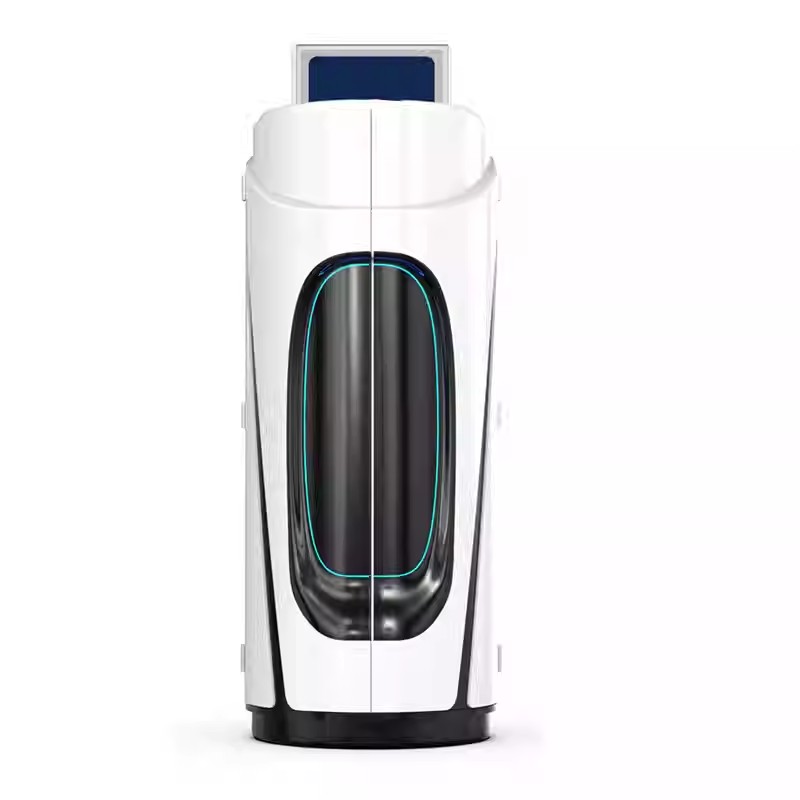
Stationary Liquid Nitrogen Cryotherapy Chamber
The Muke Intelligent Liquid Stationary Liquid Nitrogen Cryotherapy Chamber utilizes liquid nitrogen for cooling, featuring an ultra-fast 30-second pre-cooling cycle and a maximum cooling capacity of -180°C. It offers benefits such as rapid muscle injury recovery, athletic performance restoration, and aesthetic slimming, making it suitable for use in gyms, medical aesthetics centers, sports recovery facilities, and private homes.
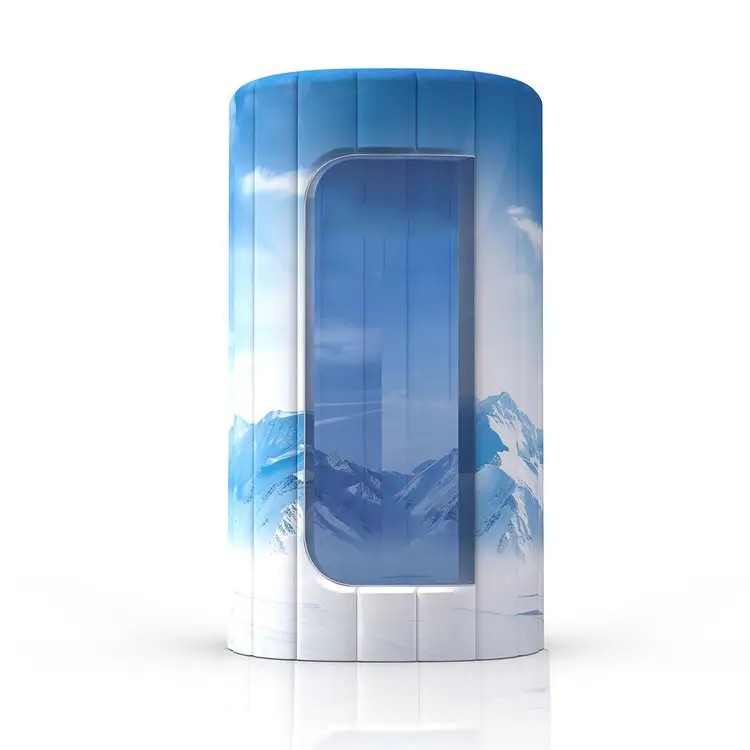
Portable Liquid Nitrogen Cryotherapy Chamber
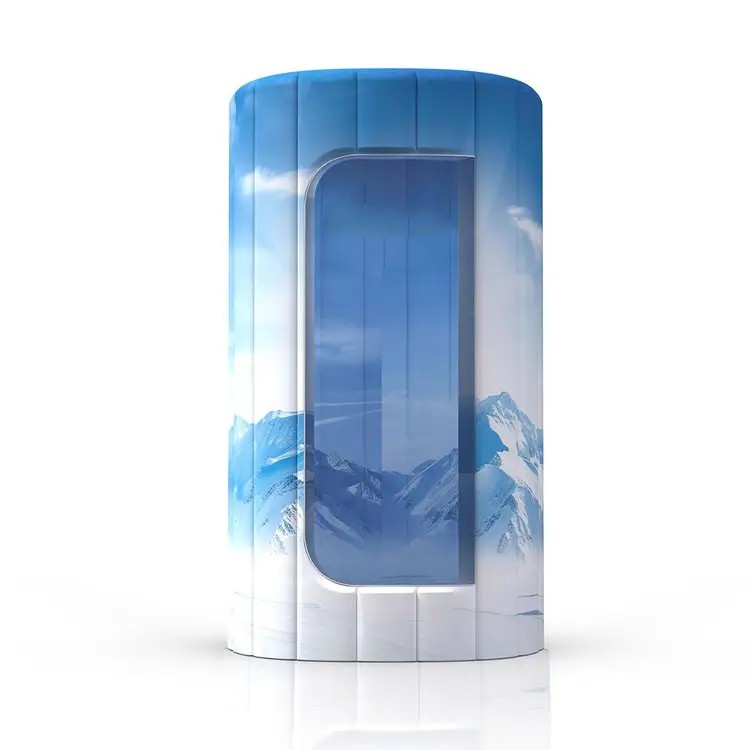
Featuring dual CE and FDA certification, the Muke Intelligent Portable Liquid Nitrogen Cryotherapy Chamber delivers a -180°C cryotherapy session wherever you need it. Lightweight at just 10 kg and occupying only 2 cubic meters when inflated, its compact, portable design sets it apart. Reach out to us for full specifications and a custom price quote.
Looking for reliable Liquid Nitrogen Cryo chamber? Muke Technology offers wholesale & custom solutions, fast delivery, durable quality. Get a quote now!