
How Ice Bath Machines Support Athletic Recovery After Intense Training?
The Science of Cold Therapy for Athletic Recovery
Understanding the Physiological Benefits
Cold water immersion (CWI), commonly known as ice bathing, involves submerging the body—typically from the waist down—in cold water (usually between 10°C and 15°C) for a controlled period. The practice triggers a cascade of physiological responses that collectively accelerate recovery after intense physical exertion.
Key recovery mechanisms:
- Vasoconstriction and reduced inflammation — Cold exposure causes blood vessels to constrict, reducing blood flow to damaged muscle tissue and minimizing swelling and inflammation post-exercise
- Delayed Onset Muscle Soreness (DOMS) reduction — Multiple studies have shown that cold water immersion can significantly reduce muscle soreness in the 24–72 hours following intense training
- Metabolic waste clearance — The alternating vasoconstriction and subsequent vasodilation (rewarming) help flush metabolic waste products like lactic acid from muscle tissue
- Neurological recovery — Cold therapy may reduce nerve conduction velocity, providing a temporary analgesic effect and calming the nervous system
- Improved muscle function recovery — Athletes using CWI often report faster return to full muscle strength and power output
Research-Backed Evidence
The effectiveness of cold water immersion for recovery is supported by a growing body of scientific research. A 2021 meta-analysis published in the Journal of Science and Medicine in Sport reviewed 42 randomized controlled trials and concluded that CWI is effective for reducing perceived muscle soreness and improving recovery of muscle power in the days following strenuous exercise.
Professional sports organizations—from the NFL and NBA to Premier League football clubs and Olympic training programs—have integrated ice baths into their recovery protocols, further validating the practice's efficacy at the highest levels of athletic performance.
Modern Ice Bath Machines vs. Traditional Methods
The Limitations of Traditional Ice Baths
Historically, ice baths involved filling a tub or barrel with water and adding bags of ice—a method that is messy, inconsistent, and labor-intensive. Traditional approaches suffer from several drawbacks:
- Temperature inconsistency — Ice melts unevenly, creating hot and cold spots throughout the tub
- Labor-intensive setup — Requires purchasing, transporting, and handling large quantities of ice
- Hygiene concerns — Standing water without filtration can harbor bacteria and contaminants
- No temperature control — Water gradually warms up, making it impossible to maintain precise therapeutic temperatures
- Waste and cost — Continuous ice purchases generate ongoing expense and plastic waste
The Advantages of Professional Ice Bath Machines
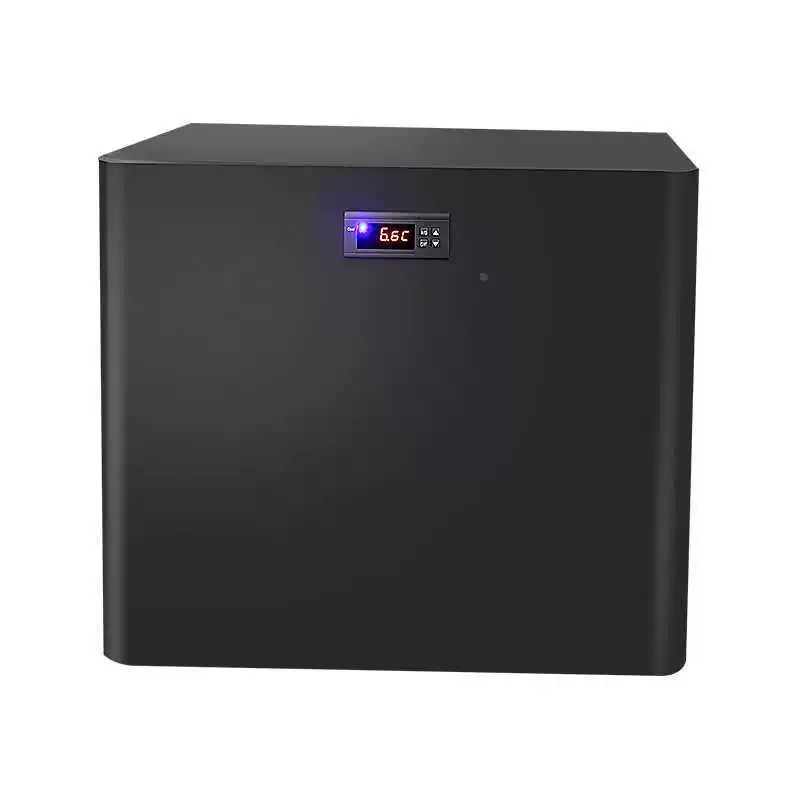
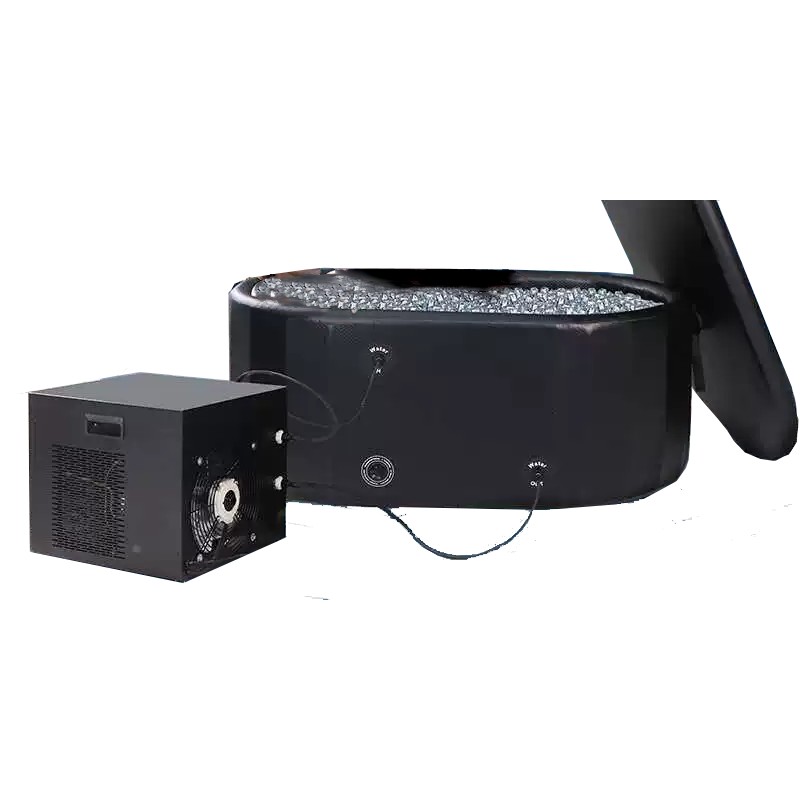
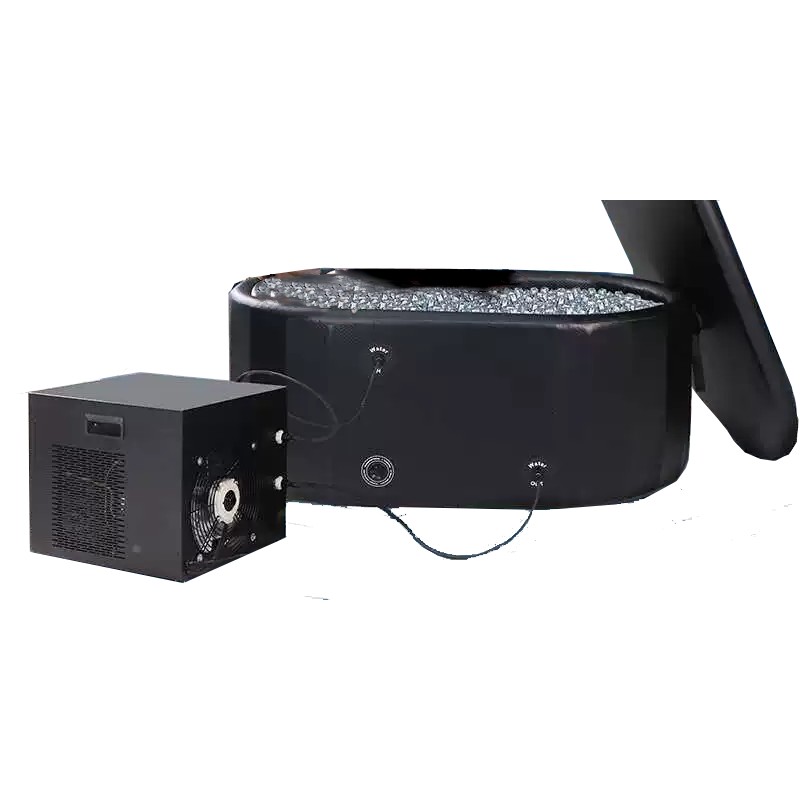
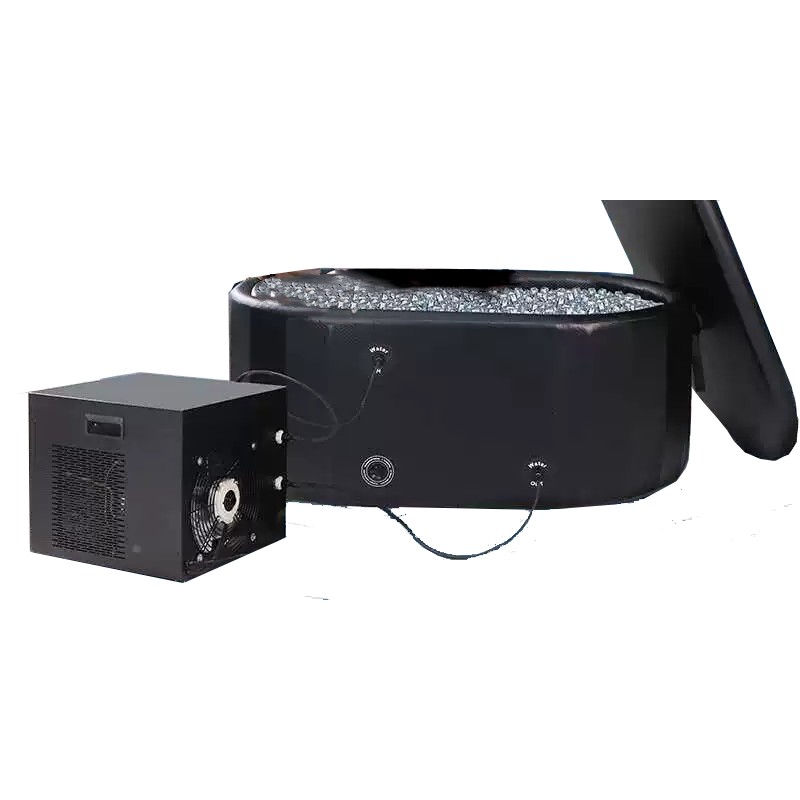
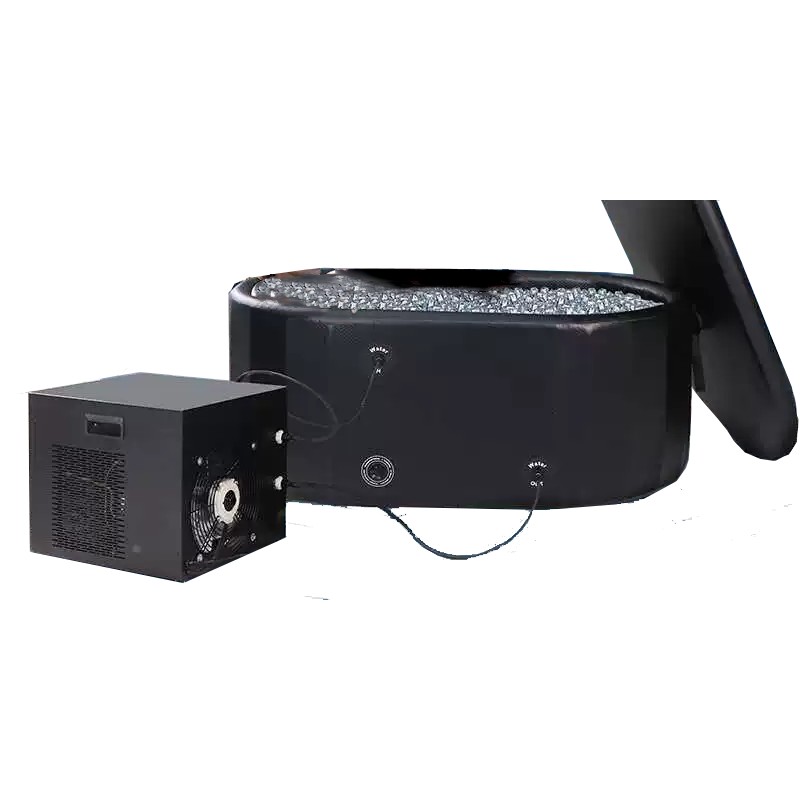
Modern ice bath machines address all these limitations through integrated cooling, filtration, and control systems. These self-contained units circulate and chill water continuously, maintaining a precise temperature for as long as needed.
Core advantages of professional ice bath machines:
- Precision temperature control — Digital thermostats maintain water temperature within ±0.5°C of the target, ensuring consistent therapeutic效果
- On-demand cold — No need for ice; the chiller unit maintains water temperature 24/7
- Water filtration and sanitation — Built-in filtration systems, UV sterilization, and ozone disinfection keep water clean and safe
- Water circulation — Continuous water movement ensures uniform temperature throughout the tub
- Smart controls — Programmable temperature settings, session timers, and even app connectivity for tracking recovery sessions
- Durability and longevity — Commercial-grade components designed for high-frequency use in professional settings
Key Features of Professional-Grade Ice Bath Machines
Advanced Cooling Systems
The heart of any ice bath machine is its cooling system. Professional-grade units use powerful compressors and efficient heat exchangers to rapidly chill water and maintain target temperatures even in warm environments. High-quality systems can cool water to as low as 2–3°C, though most therapeutic applications use temperatures in the 10–15°C range.
Energy efficiency is another important consideration. Modern units incorporate variable-speed compressors and insulated tubs to minimize energy consumption while maintaining consistent temperatures—an important factor for facilities that operate multiple units.
Water Quality and Hygiene Systems
In shared-use environments like gyms, training facilities, and wellness centers, water hygiene is paramount. Professional ice bath machines incorporate multiple layers of water treatment:
- Filtration systems — Remove particulates and debris from circulating water
- UV sterilization — Ultraviolet light neutralizes bacteria, viruses, and other microorganisms
- Ozone disinfection — Ozone gas provides powerful chemical-free disinfection
- Sanitation cycles — Automated periodic disinfection to maintain water quality between water changes
These systems ensure that each user steps into clean, safe water—something that simply isn't possible with traditional ice-filled tubs.
Smart Technology and User Experience
The latest generation of ice bath machines incorporates smart technology to enhance the user experience and optimize recovery outcomes. Features may include:
- Touchscreen control panels with intuitive user interfaces
- Programmable recovery protocols for different training intensities
- Bluetooth or Wi-Fi connectivity for app integration
- Session tracking and recovery data logging
- Automated maintenance reminders and system status alerts
For commercial operators, these smart features also enable usage tracking, maintenance scheduling, and remote monitoring—streamlining facility management.
Ergonomic Design and Build Quality
Professional ice bath machines are designed with both functionality and user comfort in mind. The tub shape, depth, and seating are engineered to allow proper immersion posture, while features like steps, handrails, and non-slip surfaces ensure safe entry and exit.
Build quality is equally important. Units intended for commercial use feature durable, corrosion-resistant materials—stainless steel, food-grade acrylic, or high-impact ABS plastic—that can withstand daily use and constant water exposure. Insulation is another critical feature, helping maintain water temperature and reduce energy consumption.
Applications Across the Athletic Spectrum
Professional Sports Teams
Professional sports organizations were among the earliest adopters of ice bath technology, and today, ice bath machines are standard equipment in most top-tier training facilities. Teams use cold water immersion as part of post-game and post-practice recovery routines, with protocols tailored to specific positions, training loads, and individual player needs.
Many teams now install multiple units to accommodate full rosters, and some even integrate contrast therapy (alternating hot and cold immersion) stations for enhanced recovery effects.
Fitness Studios and Training Facilities
As awareness of cold therapy benefits grows, boutique fitness studios, CrossFit boxes, and high-end gyms are increasingly adding ice bath machines to their recovery offerings. These facilities recognize that providing professional-grade recovery tools enhances the member experience and differentiates them from competitors.
For facility operators, modern ice bath machines offer a practical solution: they're self-contained, easy to maintain, and don't require the logistical hassle of traditional ice baths. Members benefit from consistent, hygienic cold therapy on demand.
Home and Personal Use
A growing segment of serious athletes and wellness enthusiasts are investing in home ice bath machines. While premium units represent a significant investment, they offer the convenience of on-demand cold therapy without the need to visit a facility. Compact models designed for home use are becoming increasingly popular, bringing professional-grade recovery technology to residential settings.
Physical Therapy and Rehabilitation Centers
Beyond athletic recovery, ice bath machines are valuable tools in physical therapy and rehabilitation settings. Cold water immersion can help manage pain and swelling following injuries, surgery, or intensive therapy sessions. The precise temperature control and hygienic operation of professional machines make them well-suited for clinical environments.
Muke Technology: Innovation in Health and Recovery Technology
From Oxygen Technology to a Multi-Dimensional Health Matrix
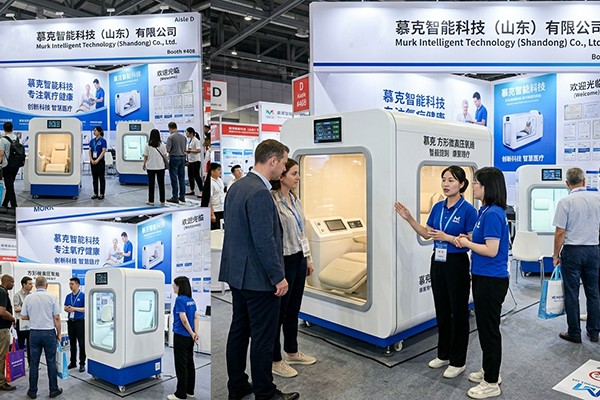
Muke Intelligent Technology (Shandong) Co., Ltd. (Muke Technology) has built its reputation as an international high-tech enterprise at the intersection of R&D, manufacturing, and sales. The company's journey began with a focus on fundamental R&D in oxygen generation technology, successfully breaking through numerous technical barriers related to micro-pressure environment control during its inception phase.
Building on this foundation, Muke Technology entered a growth phase characterized by rapid horizontal expansion of its product line, establishing a multi-dimensional health product matrix centered around high-performance micro-pressure oxygen chambers. This phase laid the groundwork for the company's broader mission: redefining health standards for households and wellness institutions worldwide.
Global Expansion and Manufacturing Excellence
In its ascension phase, Muke Technology comprehensively expanded into global markets while establishing a leading-scale, modern, and intelligent manufacturing base in Shandong province. Through a strategic approach to brand internationalization, the company has emerged as an industry benchmark in the field of international trade.
Manufacturing capabilities:
- 30,000 square meters of modern Industry 4.0 production space
- 1,000+ employees across R&D, manufacturing, quality control, and global operations
- Fully digitized management across the entire workflow—from raw material warehousing to finished product inspection
- Global reach to over 100 countries worldwide
This manufacturing infrastructure and quality discipline directly translate to the company's recovery and wellness product lines, including ice bath machines. The same precision engineering, rigorous testing, and intelligent production systems that power Muke's micro-pressure oxygen chamber technology are applied to every product in its health portfolio.
The "Ultimate Oxygen Lifestyle" Vision
Muke Technology is driven by a relentless pursuit of what it calls the "Ultimate Oxygen Lifestyle"—a vision that extends beyond oxygen therapy to encompass a holistic approach to health, recovery, and wellness. The company's expansion into cold therapy and athletic recovery solutions is a natural extension of this vision, bringing "Intelligently Made in China" health products to consumers and institutions across the globe.
For athletes and fitness professionals, this means access to recovery equipment that combines advanced technology, reliable performance, and professional build quality—backed by a manufacturer with deep expertise in health technology and a global track record of excellence.
Choosing the Right Ice Bath Machine: Key Considerations
Factors for Buyers to Evaluate
When selecting an ice bath machine for a training facility, wellness center, or home use, several factors should be carefully considered:
- Cooling capacity — Ensure the chiller can maintain target temperatures in your climate and usage patterns
- Tub size and capacity — Choose a size that accommodates your user base comfortably
- Water treatment system — Look for multi-stage filtration and disinfection for hygienic operation
- Insulation quality — Good insulation reduces energy consumption and maintains temperature stability
- Control system — Digital controls with precise temperature regulation are essential for therapeutic use
- Build quality and materials — Commercial-grade construction ensures durability in high-use environments
- Energy efficiency — Consider ongoing operating costs alongside the upfront purchase price
- Warranty and support — Reliable after-sales support is critical for equipment that operates continuously
Maintenance Best Practices
To ensure long-term performance and water quality, ice bath machines require regular maintenance:
- Monitor and maintain proper water chemistry (for units using chemical sanitizers)
- Clean or replace filters according to the manufacturer's schedule
- Periodically drain and deep-clean the tub
- Inspect seals, hoses, and connections for signs of wear
- Keep the chiller unit's condenser coils clean for optimal efficiency
- Follow the manufacturer's recommended maintenance schedule for all components
Reputable manufacturers like Muke Technology provide detailed maintenance guidelines and after-sales support to help operators keep their equipment running at peak performance.
Future Trends in Cold Therapy Technology
The ice bath machine market is evolving rapidly, driven by growing consumer demand and ongoing technological innovation. Several key trends are shaping the future of the industry:
- Smart integration — Ice bath machines are increasingly connected to fitness ecosystems, syncing with wearables and training apps to personalize recovery protocols based on workout data
- Contrast therapy systems — Combined hot and cold immersion units that automate contrast therapy protocols are gaining popularity
- Energy efficiency improvements — Advances in compressor technology and insulation are reducing the energy footprint of these systems
- Compact and portable designs — Space-saving and even portable units are expanding the accessibility of cold therapy
- Personalization features — AI-driven recommendations for temperature, duration, and frequency based on individual recovery goals
As the science of recovery continues to advance and consumer awareness grows, ice bath machines will become an increasingly standard tool in the athletic recovery toolkit.
Frequently Asked Questions
The ideal ice bath temperature varies depending on the individual and the specific recovery goal, but most therapeutic applications use water temperatures between 10°C and 15°C (50°F–59°F). At this range, the water is cold enough to trigger the desired physiological responses—vasoconstriction, reduced inflammation, and nervous system calming—without being so cold that it causes discomfort or risk of cold injury. Beginners may start at slightly warmer temperatures (around 15°C) and gradually work down as they acclimate. Sessions typically last 10–15 minutes. It's important to note that individual tolerance varies, and those with certain medical conditions should consult a healthcare professional before beginning cold therapy.
Most research and professional protocols recommend ice bath sessions of 10 to 15 minutes at temperatures between 10°C and 15°C. Sessions shorter than 10 minutes may not provide sufficient therapeutic stimulus, while sessions longer than 20 minutes carry an increased risk of cold-related complications and may not provide additional benefit. It's generally recommended to start with shorter sessions (5–10 minutes) if you're new to cold therapy and gradually increase duration as your tolerance builds. The frequency of ice baths also matters—most athletes use them 2–4 times per week following intense training sessions, rather than daily, to allow the body's natural adaptation processes to occur.
Yes, the weight of scientific evidence supports the effectiveness of cold water immersion for certain aspects of recovery. Numerous studies and meta-analyses have shown that ice baths can reduce perceived muscle soreness (DOMS) and speed the recovery of muscle function in the days following intense exercise. The primary mechanisms are reduced inflammation and swelling, improved clearance of metabolic waste products, and neurological calming effects. However, it's important to note that research also suggests that excessive cold therapy may interfere with some training adaptations, particularly strength and muscle growth. For this reason, ice baths are generally recommended for recovery phases and after competition, rather than immediately after every training session. As with any recovery tool, ice baths work best as part of a comprehensive recovery strategy that includes proper nutrition, sleep, and active recovery.
A professional ice bath machine is a fully integrated system that includes the tub, a refrigeration chiller unit, water circulation, filtration, and often disinfection systems—all working together to maintain precise, consistent water temperature and quality. A regular cold tub (or traditional ice bath) is simply a container filled with cold water and ice, with no active cooling or filtration. Key differences include: temperature precision (machines maintain ±0.5°C accuracy vs. ice baths that warm up over time), hygiene (machines have filtration and UV/ozone disinfection vs. stagnant ice bath water), convenience (machines are ready 24/7 vs. ice baths requiring setup time), and consistency (machines deliver the same experience every session vs. ice baths that vary based on ice quantity and water temperature).
With proper filtration and disinfection systems, the water in a professional ice bath machine can typically go 4–8 weeks between full water changes, depending on usage frequency and the quality of the water treatment system. Units with multi-stage filtration, UV sterilization, and ozone disinfection can maintain water quality significantly longer than basic units. However, regular monitoring is important—operators should check water clarity, odor, and chemical balance (if applicable) regularly. Most commercial units include filter replacement schedules and automated maintenance reminders. For high-traffic facilities with many daily users, more frequent water changes may be necessary. Always follow the manufacturer's specific maintenance guidelines for your particular model.
Many professional ice bath machines are designed for both indoor and outdoor use, but it depends on the specific model and its environmental ratings. Outdoor units need to be able to handle temperature extremes, humidity, and exposure to the elements. Key considerations for outdoor use include: the chiller unit's operating temperature range (can it cool effectively in hot weather?), weather resistance of electrical components, insulation quality to maintain temperature in extreme conditions, and protection from direct sunlight (which can promote algae growth and degrade materials). Some units are specifically designed for outdoor installation with weatherproof enclosures and enhanced cooling capacity, while others are intended for indoor use only. Always check the manufacturer's specifications and installation guidelines before placing a unit outdoors.
Conclusion
Ice bath machines represent a significant advancement in athletic recovery technology, bringing precision, consistency, and hygiene to a practice that was once crude and inconsistent. As the science of recovery continues to evolve and awareness of cold therapy benefits spreads, these machines are becoming standard equipment in professional training facilities, fitness studios, rehabilitation centers, and even home gyms.
The companies leading this transformation are those that combine deep technical expertise, manufacturing excellence, and a commitment to quality. Muke Intelligent Technology (Shandong) Co., Ltd., with its proven track record in health technology, Industry 4.0 manufacturing capabilities, and global distribution across 100+ countries, is well-positioned to drive innovation in this growing category. The same engineering rigor and quality discipline that powers its micro-pressure oxygen chamber technology is now being applied to cold therapy and recovery solutions—bringing "Intelligently Made in China" excellence to athletic recovery worldwide.
As athletes and fitness enthusiasts continue to prioritize recovery as an integral part of performance, the role of professional ice bath machines will only grow. The future of athletic recovery is here—and it's colder, cleaner, and more effective than ever.
Related News
- How Does a Liquid Nitrogen Cryo Chamber Improve Modern Cold Therapy Experiences?
- How Does a 1 HP Ice Bath Chiller Improve Cold Therapy Performance?
- How Does a Micro-Hyperbaric Oxygen Chamber Improve Modern Oxygen Therapy Experiences?
- What Applications Are Driving Demand for High-Purity Oxygen Concentrators?
- How Does a Sauna Room Improve Wellness and Create a Better Relaxation Experience?
- How Does an Ice Bath Machine Improve Recovery and Performance?
Leave me a message